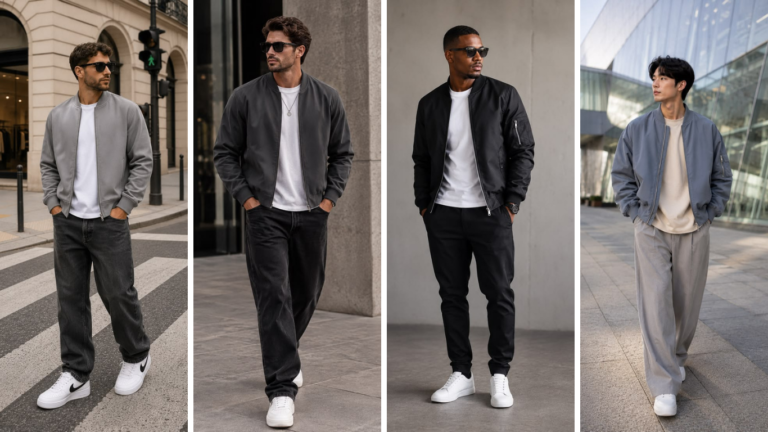
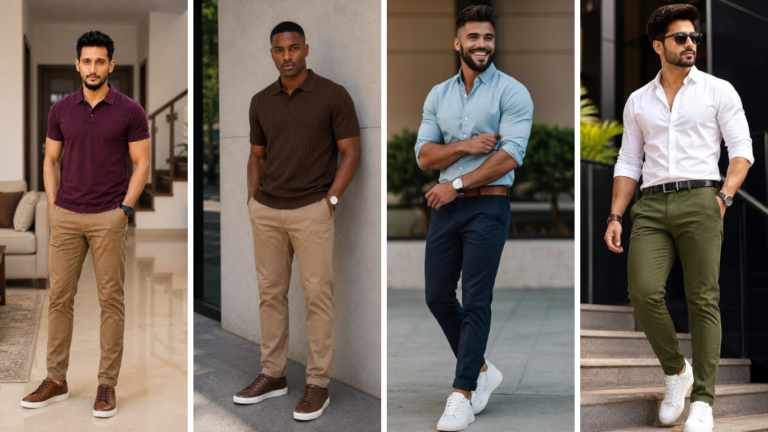
Streetwear vs Classic Style: Which One Fits Your Personality?
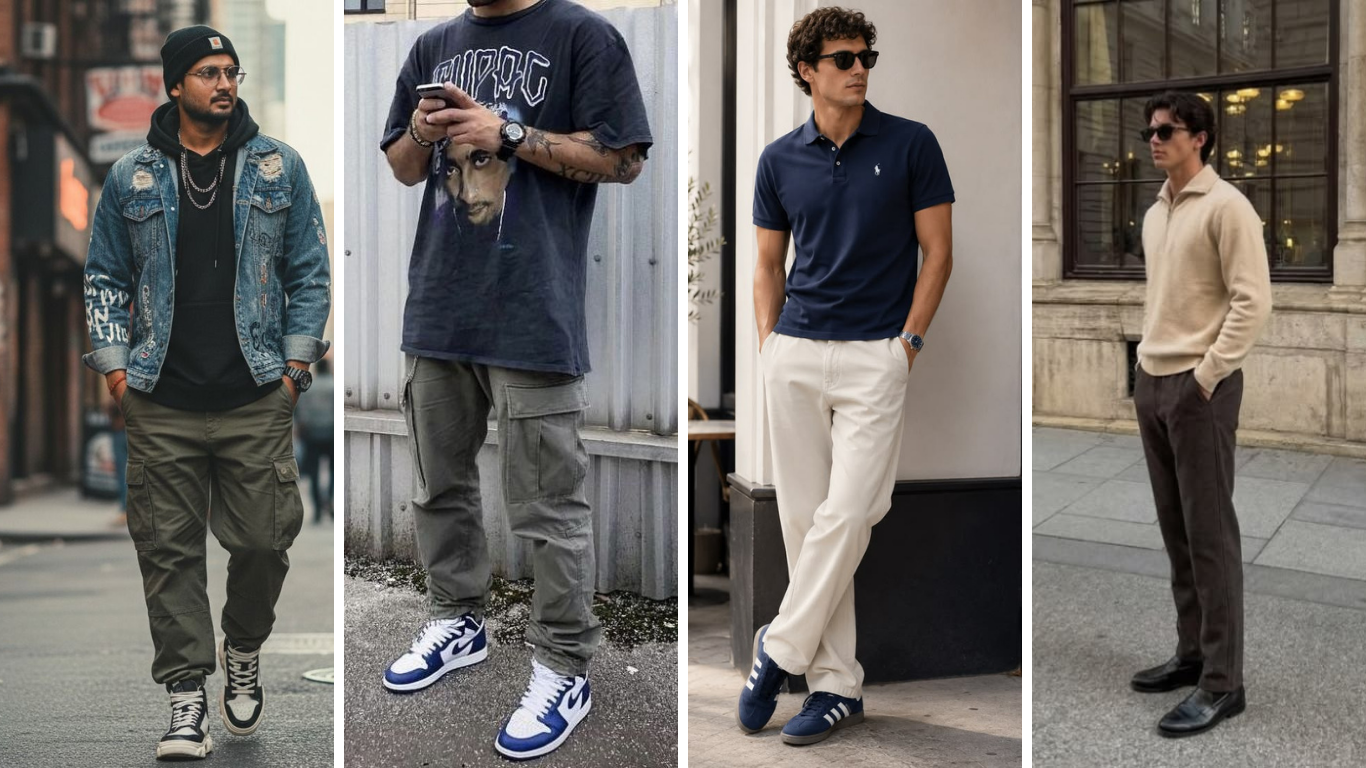
Streetwear suits men who want their clothes to say something loud — bold graphics, oversized fits, hype and culture built in.
Classic style suits men who want the opposite: quiet confidence built on fit, fabric, and restraint. Neither is “better” — the right one depends on how you actually want to be perceived, not which look is trending this month.

What’s the Real Difference Between Streetwear and Classic Style?
The core difference isn’t the clothes themselves — it’s what they’re built to communicate. Streetwear is designed to be noticed: bold logos, statement sneakers, oversized proportions, and constant newness through drops and collabs.
Classic style is designed to be trusted: tailored fits, muted colors, and pieces that barely change year to year because the whole point is that they don’t need to.
Neither approach is inherently more mature or more “grown up” than the other, despite what a lot of style content implies. Plenty of men in creative industries build entire careers around a sharp streetwear point of view, and plenty of younger guys gravitate toward classic tailoring because it matches who they actually are.
The real question isn’t which style is objectively better — it’s which one matches your personality, your environment, and how you want people to read you before you say a word.

What Is Streetwear Style, and Who Does It Suit?
Streetwear grew out of skate, hip-hop, and surf culture in the ’80s and ’90s and has since become one of the most dominant menswear categories on the planet.
It’s defined by graphic tees and hoodies, oversized silhouettes, statement sneakers, and a hype-driven relationship with newness — limited drops, collabs, and brand loyalty that borders on fandom.
Streetwear tends to fit men who:
- Want their clothing to reflect current culture, music, or art they care about
- Enjoy the “collector” mentality — sneakers, drops, resale culture
- Feel most confident when an outfit makes a visible statement
- Work in or around creative, casual, or culture-driven environments
- Get bored easily and like a wardrobe that changes with the season or the moment
The personality fit here usually skews toward guys who are comfortable being noticed and who see getting dressed as a form of self-expression rather than a functional decision. If you naturally gravitate toward bold color, loud graphics, or a specific sneaker rotation without thinking twice, streetwear is probably already closer to your instinct than you’ve given it credit for.
What Is Classic Style, and Who Does It Suit?
Classic style pulls from decades — sometimes centuries — of menswear tradition: tailored trousers, structured blazers, oxford shirts, and a tightly controlled color palette built around navy, gray, white, and camel.
The goal isn’t newness; it’s permanence. A well-made classic wardrobe from ten years ago should still look completely current today, and that’s by design.
Classic style tends to fit men who:
- Prefer to be underestimated at first glance, then respected on closer inspection
- Work in more traditional or client-facing environments (law, finance, hospitality, sales)
- Value longevity and cost-per-wear over constant newness
- Feel more confident blending in slightly than standing out immediately
- Like the idea of a wardrobe that requires less daily decision-making
If you find yourself drawn to timeless references — a well-cut suit, a quality watch, a coat that looks the same in every decade of old photographs — that’s a strong signal classic style matches how you naturally think about presentation: quiet control rather than loud statement.
How Do You Know Which Style Actually Fits Your Personality?
Most men aren’t purely one or the other, but you can get a clear read by asking yourself a few honest questions:
Do you want to be noticed first, or respected first? Streetwear tends to get you noticed instantly. Classic style tends to earn respect more slowly, through fit and quality rather than an immediate visual hit.
How do you feel about trends and newness? If the idea of a new drop or collab genuinely excites you, streetwear’s built-in culture of newness will suit your personality better than a static classic wardrobe ever will. If chasing trends sounds exhausting, classic style’s stability will feel like a relief instead of a limitation.
What does your daily environment actually look like? Personality matters, but so does context. A guy with a genuinely bold, expressive personality who works in a conservative law office may lean classic on weekdays and let streetwear instincts show up on weekends — and that’s a completely legitimate way to split the difference.
Do you like getting dressed as a creative outlet, or as a solved problem? Streetwear rewards men who enjoy the process of building an outfit as a form of expression. Classic style rewards men who’d rather solve the “what do I wear” question once and move on with their day.
There’s no wrong answer here — the goal is matching your wardrobe to how you actually want to move through the world, not to whichever aesthetic currently has the most momentum online.
Read also: Winter Outfit Ideas for Men: Stay Warm and Stylish
Can You Mix Streetwear and Classic Style Together?
Yes — and honestly, some of the sharpest-dressed men right now aren’t purely one or the other. This hybrid approach, sometimes called “elevated streetwear” or “smart-casual streetwear,” takes structured, classic pieces and pairs them with one or two streetwear elements to keep things from feeling stiff.
A few combinations that consistently work:
- A tailored wool overcoat over a graphic hoodie
- Clean, minimal sneakers with tailored trousers instead of dress shoes
- An oxford shirt under a bomber or varsity jacket instead of a blazer
- A structured blazer paired with slim joggers instead of dress trousers
The trick to mixing the two without it looking like an accident is to only borrow from one category at a time. If you’re wearing a streetwear top, keep the bottom half classic, and vice versa — mixing loud pieces from both categories at once usually reads as chaotic rather than intentional.
Streetwear vs. Classic Style: Side-by-Side Comparison
| Category | Streetwear | Classic Style |
|---|---|---|
| Core message | Stand out, express identity | Quiet confidence, earned respect |
| Key pieces | Hoodies, graphic tees, sneakers | Blazers, oxford shirts, loafers |
| Color palette | Bold, high contrast, brand-driven | Neutral: navy, gray, camel, white |
| Fit philosophy | Oversized, relaxed proportions | Tailored, closer to the body |
| Shelf life | Trend-driven, changes seasonally | Built to last for years |
| Best environments | Creative, casual, culture-driven spaces | Traditional, client-facing, formal spaces |
| Personality fit | Expressive, culture-focused, enjoys newness | Understated, consistency-focused, dislikes decision fatigue |
Where Did Streetwear and Classic Style Each Come From?
Understanding the roots of both aesthetics makes it a lot easier to see why they attract such different personalities. Streetwear traces back to skate parks, surf shops, and hip-hop culture in Southern California and New York during the ’80s and ’90s — brands like Stussy and Supreme built entire identities around scarcity, community, and anti-establishment energy. It was never designed for boardrooms; it was designed for crews, scenes, and self-defined culture.
That DNA is still baked into every hoodie drop and sneaker collab today, which is why streetwear still resonates most with men who value belonging to something and expressing identity outwardly.
Classic style has a completely different lineage — it comes from British tailoring houses, Ivy League campuses, and a much older idea of dressing as a signal of discipline and status. The three-piece suit, the oxford shirt, the trench coat: all of it was built around longevity, formality, and a kind of controlled self-presentation that predates modern advertising entirely.
That history is exactly why classic style still appeals most to men who want their clothing to communicate reliability and restraint rather than novelty.
Neither history makes one style more “legitimate” than the other — they were simply built to solve different problems for different communities, and that origin still shows up in who each one naturally attracts today.
What Does Your Personality Type Usually Gravitate Toward?
If you want a faster gut check than the questions above, think about a few broader personality patterns and where they tend to land.
The connector. Guys who build their social life and identity around community — a scene, a sport, a music genre, a friend group — tend to gravitate toward streetwear, because the clothing itself often functions as a badge of belonging. Wearing a specific brand or silhouette signals “I’m part of this” before a single word is spoken.
The strategist. Men who think several steps ahead, who value long-term payoff over short-term novelty, and who dislike unnecessary decisions tend to land in classic style almost by instinct. A tightly curated wardrobe of interchangeable, high-quality basics is the sartorial equivalent of batch-cooking meals for the week — it removes friction from a part of life that doesn’t need daily creative energy.
The performer. Guys who genuinely enjoy being watched — whether that’s on stage, on camera, or just walking into a room — tend to lean streetwear, since bold silhouettes and statement pieces are built to be seen from a distance and remembered.
The operator. Men who move through formal, high-stakes environments — client meetings, courtrooms, boardrooms — and want their clothing to build quiet trust rather than draw attention tend to land firmly in classic style, almost regardless of their personality outside of work.
Most men will recognize a bit of themselves in more than one of these, which is exactly why a hybrid approach — leaning classic on weekdays, streetwear on weekends, for example — works so well for so many guys instead of forcing an all-or-nothing choice.
How Do Streetwear and Classic Style Differ by Budget and Longevity?
One practical factor that rarely gets discussed honestly: these two aesthetics have very different cost structures over time, and that alone might tip your decision.
Streetwear’s culture of drops and collabs means the “entry cost” can actually be low — plenty of streetwear-adjacent brands sell affordable graphic tees and basics — but staying current requires ongoing spend. Hype pieces lose relevance fast, resale value swings wildly, and building a wardrobe that still feels “current” two years from now usually means continuing to buy. This isn’t a criticism, just a reality: streetwear is partly built around newness as a feature, not a flaw, so budgeting for it means budgeting for turnover.
Classic style front-loads the cost differently. A well-made wool blazer, a quality leather shoe, or a proper overcoat costs more upfront than a fast-fashion equivalent, but it’s designed to look exactly as current in ten years as it does today. The cost-per-wear math almost always favors classic pieces over a long enough timeline, which is part of why it appeals so strongly to men who think in terms of long-term value rather than immediate gratification.
If your budget is tight right now, classic style rewards patience — buying one great piece every month or two and building slowly. Streetwear rewards timing and research — knowing which drops hold or gain value versus which ones are pure hype. Neither path is wrong, but knowing which spending pattern actually matches your habits and patience level is worth factoring in alongside pure personality fit.
What Do Stylists Actually Recommend for Men Torn Between the Two?
If you’re genuinely stuck, the most practical advice echoed across menswear circles is to stop treating this as a binary decision and start treating it as a ratio. Instead of asking “am I a streetwear guy or a classic guy,” ask what percentage split actually matches your life — is it 80% classic with a streetwear accent piece for the weekend, or 70% streetwear with one tailored blazer you break out for anything semi-formal?
A simple way to test this without committing your whole wardrobe: pick one entry-level piece from whichever style you use less and wear it three or four times over a couple of weeks.
Notice how you feel — more confident, more like yourself, or slightly like you’re playing dress-up. That reaction tells you more about genuine personality fit than any style quiz or online debate ever will, because it’s based on how you actually feel in the clothes, not how you think you’re supposed to feel based on trends.
Common Mistakes Men Make Choosing Between the Two
- Picking a style based on trends instead of personality. Chasing whichever aesthetic is dominating your feed this month leads to a wardrobe that never feels authentically yours.
- Going all-in on streetwear without considering environment. A head-to-toe hype outfit can undercut you in a client meeting or formal setting, regardless of how sharp it looks on its own.
- Treating classic style as boring instead of intentional. Classic dressing isn’t the absence of personality — it’s personality expressed through fit and quality instead of graphics and logos.
- Mixing too many loud elements from both categories at once. A graphic hoodie, statement sneakers, AND a boldly patterned blazer together usually reads as confused rather than confidently hybrid.
- Ignoring fit regardless of which style you choose. Both aesthetics fall apart without proper fit — an oversized streetwear hoodie still needs intentional proportions, and a classic blazer still needs to be tailored to your body.
- Assuming you have to choose permanently. Plenty of men rotate between the two depending on the day, the setting, or their mood — there’s no rule that says you can’t own both lanes.
FAQ
Is streetwear or classic style more professional? Classic style generally reads as more professional in traditional workplace settings, since tailored pieces and muted colors signal formality. That said, plenty of modern, creative offices now welcome elevated streetwear — context matters more than a blanket rule.
Can an introvert pull off streetwear style? Absolutely. Streetwear suiting your personality has more to do with valuing self-expression through clothing and enjoying current culture than it does with being naturally outgoing. Plenty of quieter guys use streetwear as their primary form of expression precisely because it does the talking for them.
Is classic style boring compared to streetwear? Not if it’s done right. Classic style expresses personality through fit, fabric choice, and small details — a great watch, well-chosen shoes, quality tailoring — rather than through bold graphics or logos. It rewards a closer look instead of an immediate one.
How do I start transitioning from streetwear to classic style, or vice versa? Start with one category at a time rather than overhauling your entire wardrobe overnight. If you’re moving toward classic style, begin by adding a well-fitted blazer and a couple of tailored trousers into your rotation. If you’re moving toward streetwear, start with one standout sneaker and one graphic layering piece, and build outward from there.
Read also: