How to Dress Sharp Without Trying Too Hard
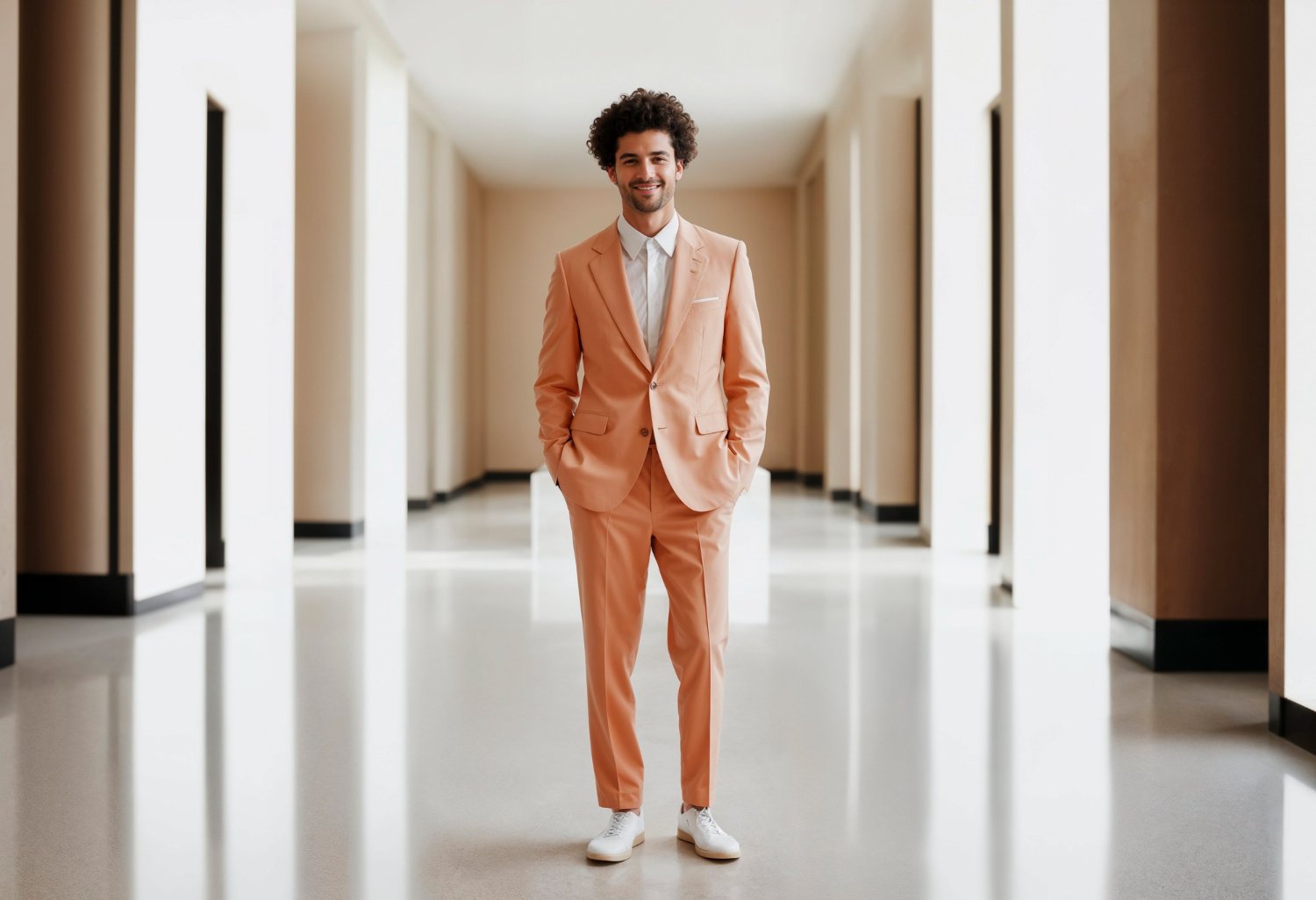
Dressing sharp without looking like you’re trying comes down to three things: clothes that actually fit, a tight color palette you don’t overthink, and confidence that lets the outfit speak for itself instead of announcing it.
The men who pull this off aren’t wearing less effort — they’re wearing invisible effort, put in ahead of time so it doesn’t show up in the moment.
Why “Effortless” Style Actually Takes More Planning, Not Less
The phrase “effortless style” is a little misleading, and understanding why matters before anything else on this list.
True effortless dressing isn’t the absence of effort — it’s effort that happened earlier, off-stage, so it doesn’t show up as visible strain in the final outfit.
A man who looks sharp without trying spent the effort getting his blazer tailored, curating a color palette that all mixes together, and building grooming into his daily routine.
By the time he’s actually getting dressed in the morning, most of the decisions are already made.

Compare that to a man who’s visibly trying too hard: tugging at a jacket that doesn’t fit, mixing five competing colors, wearing a logo-heavy outfit designed to be noticed.
That effort is happening in real time, in front of other people, and it reads as anxiety rather than style.
The goal of this entire guide is moving your effort earlier in the process — into planning and preparation — so what’s left in the moment is just wearing clothes that already work.
Start With Fit — It Does More Than Any Other Single Decision
If there’s one shortcut to looking sharp without trying, it’s this: nothing else on this list matters if the fit is off.
A perfectly fitted plain T-shirt and jeans will always read as more put-together than an expensive, ill-fitting outfit, because fit is the first thing the eye actually registers — before color, before fabric, before brand.
Get the basics tailored. A shirt that’s slightly too big across the shoulders, trousers that break wrong at the shoe, or a jacket that’s a size too large all undercut everything else you’re doing, no matter how good your color choices or grooming are.
This is a one-time investment that pays off on every single outfit built afterward — a tailor visit costs far less than most men assume, and the return on it is higher than almost any clothing purchase.
Read also: Winter Outfit Ideas for Men: Stay Warm and Stylish
Build a Wardrobe Around Fewer Colors, Not More
Effortless dressing depends heavily on never having to think hard about whether two pieces go together — and the easiest way to guarantee that is narrowing your color palette down to a handful of neutrals that all pair with each other by default.
Navy, gray, white, black, and one or two earth tones (olive, camel, burgundy) cover almost every combination you’ll ever need, and because they’re all neutral, virtually nothing in that palette will ever clash.
This is the actual mechanism behind guys who “always look put together” without seeming to plan their outfits.
They’re not making twelve micro-decisions every morning about which colors work — they narrowed the decision down to almost nothing months or years earlier, and now getting dressed is closer to autopilot than a creative exercise.
If you’re currently juggling a closet full of clashing, unrelated colors, this single change will do more for your “effortless” factor than any specific piece of clothing you could buy.
Choose One Point of Interest, Not Five
A genuinely sharp, low-effort-looking outfit almost always has exactly one thing drawing the eye — a great watch, a well-chosen jacket, an interesting texture — and everything else in the outfit exists to support that one element rather than compete with it. The mistake men make when trying to look sharp is stacking multiple standout pieces at once: a statement jacket, a loud accessory, and a bold shoe all in the same outfit. Individually, any one of those might work beautifully. Together, they cancel each other out and read as trying too hard.
Before leaving the house, do a quick mental audit: what’s the one piece in this outfit I actually want someone to notice? If you can’t answer that in a few seconds, or if the answer is “three or four things,” simplify until there’s a clear single focal point and everything else recedes quietly into the background.
Let Quality Fabric Do the Work Instead of Loud Design
A plain crewneck sweater in high-quality merino wool looks more expensive and more intentional than a heavily branded, mediocre-fabric sweater covered in logos — and it takes zero styling effort to pull off.
This is one of the most underrated tricks in dressing sharp without trying: investing in fabric quality lets simple, unfussy silhouettes do all the heavy lifting, without needing bold design choices to compensate for cheaper materials.
Run your hand across a piece before buying it. Does it feel substantial, or thin and slightly synthetic? Does it drape naturally, or sit stiffly? These physical qualities translate directly into how “expensive” and “intentional” an outfit reads, often more than the actual silhouette or color does. A closet built on good fabric in simple shapes will always look more effortlessly sharp than one built on flashy design in cheap materials.
Master a Few Reliable Outfit Formulas Instead of Reinventing Daily
Men who dress sharp without visible effort usually aren’t building a brand-new outfit from scratch every single morning — they’ve landed on three or four combinations that reliably work and rotate through them with small variations.
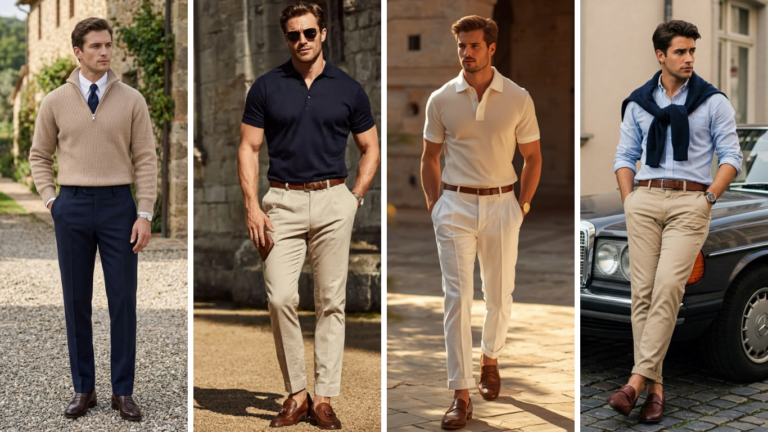
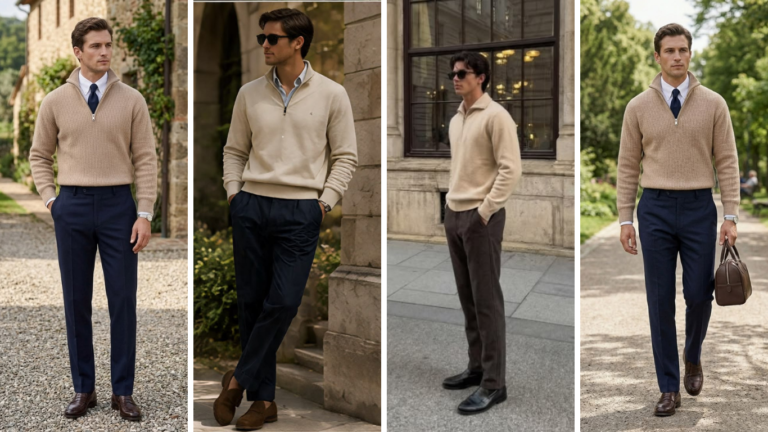
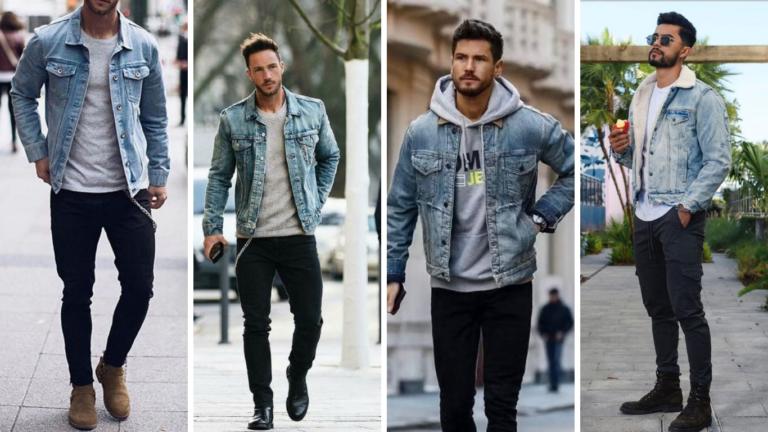
A go-to smart-casual formula (chinos, oxford shirt, loafers), a go-to weekend formula (jeans, quality tee, clean sneakers, light jacket), and a go-to slightly-dressed-up formula (tailored trousers, knit sweater, blazer) cover almost every situation most men actually encounter.
Having these formulas ready removes the daily decision fatigue that usually leads to either overthinking an outfit into looking forced, or underthinking it into looking careless. It’s the same principle behind why so many successful, sharply dressed men wear near-identical outfits day to day — not because they lack creativity, but because they’ve already solved the problem and would rather spend their mental energy elsewhere.
Get the Grooming Basics Right Without Overdoing It
Grooming is where the “without trying too hard” part of this guide really separates from the “dress sharp” part, because overdone grooming is just as visible — and just as undermining — as an overdone outfit. A heavily styled haircut, an overly sculpted beard, or visible product buildup all signal effort in the wrong direction, the same way a logo-covered outfit does.
The goal is grooming that looks like a natural extension of you rather than a separate project: a clean, well-maintained haircut, skin that looks healthy rather than heavily treated, and facial hair that’s intentional but not overly sculpted.
This usually means slightly less styling than you think, not more — tousled-but-clean beats precisely arranged in almost every case when the goal is looking effortlessly sharp rather than visibly polished.
Practice Wearing Your Clothes Instead of Just Owning Them
This is the step most guides skip, and it’s arguably the most important one. An outfit only reads as effortless if the person wearing it actually moves like it’s normal — sitting down without fussing over a jacket, walking without tugging at a waistband, not checking a reflection every few minutes.
Discomfort in your own clothing is visible from across a room, and it undoes even a perfectly fitted, well-coordinated outfit almost instantly.
The fix is repetition. Wear new pieces around the house before debuting them somewhere important. Notice where something pulls, rides up, or feels unfamiliar, and either get it adjusted or wear it enough times that it stops registering as new.
Confidence in clothing isn’t a personality trait some men are born with — it’s built the same way any physical habit is built, through enough repetition that the clothes stop being something you’re thinking about at all.
How to Adjust This Approach for Different Settings
“Sharp without trying too hard” looks slightly different depending on where you’re headed, even though the underlying principles stay identical.
At the office: lean on your smart-casual formula — tailored trousers or dark jeans, a well-fitted button-down or knit, and clean leather shoes. The goal is looking like you didn’t have to think about it, even in an environment where plenty of your coworkers visibly did.
On a date: resist the urge to add extra elements just because the stakes feel higher. One well-chosen piece — a good jacket, an interesting texture, a subtle accessory — paired with your existing reliable formula will read as more confident than an outfit assembled specifically for the occasion.
At a social event or party: this is where the “one point of interest” rule matters most, since social settings tend to tempt men into overdoing it. Pick a single standout element — an unexpected color, a great pair of shoes — and keep everything else in your established neutral palette.
Traveling or running errands: effortless doesn’t mean sloppy. A clean, well-fitted version of your weekend formula still reads as sharp, even in the most casual settings, because fit and grooming are doing the work regardless of how dressed up the actual pieces are.
The Psychology Behind Why “Trying Too Hard” Reads So Clearly to Other People
It’s worth understanding why other people can spot effort so easily, because it explains almost every rule in this guide. Humans are extremely good at picking up on incongruity — the gap between how someone is behaving and how comfortable they appear to be.
An outfit that looks slightly unfamiliar on its wearer, paired with body language that signals self-consciousness (adjusting a collar, checking a reflection, standing stiffly), creates a mismatch the brain registers almost instantly, even if the observer couldn’t articulate exactly what felt off.
This is also why two objectively similar outfits can produce completely different impressions depending on who’s wearing them. It’s not the clothes themselves that read as “trying too hard” — it’s the visible gap between the outfit and the wearer’s apparent comfort in it.
That’s why repetition and familiarity matter so much throughout this guide: the more natural an outfit feels to you, the smaller that gap becomes, and the more effortlessly sharp it reads to everyone else.
There’s a useful mental model here borrowed from how people evaluate confidence in general: overcorrection reads as insecurity, and quiet consistency reads as self-assurance. A man who wears one great, well-fitted jacket repeatedly comes across as more confident than one who wears a different attention-grabbing piece every single day, because the former isn’t visibly searching for validation through his clothing — he’s already settled on what works and isn’t second-guessing it.
Understanding this dynamic reframes almost every choice in this guide: the goal isn’t fewer style decisions because you care less, it’s fewer visible decisions because you’ve already made the important ones and moved on.
Read also: Date Night Outfits for Men: 15 Looks That Impress
Why This Approach Gets Easier With Time, Not Harder
One reassuring truth about dressing sharp without visible effort: it compounds. The first few weeks of narrowing your color palette, getting pieces tailored, and settling into a handful of outfit formulas require deliberate thought — which can feel, ironically, like more work than just grabbing whatever’s clean. But once those decisions are made and those pieces are broken in, the system runs almost entirely on autopilot.
This is the exact opposite trajectory of trend-chasing style, which requires ongoing research, purchasing, and adjustment to stay current.
A wardrobe built around fit, quality fabric, and a tight neutral palette gets less effortful over time as pieces age in gracefully and your formulas become second nature, while a trend-driven wardrobe requires the same level of active maintenance indefinitely.
If you’re currently finding this approach effortful, that’s expected — it’s front-loaded work that pays out as genuine effortlessness later, which is really the whole premise this guide has been built around from the start.
Sharp vs. Trying Too Hard: Do This / Not That
| Do This | Not That |
|---|---|
| Wear tailored, well-fitted basics | Wear expensive pieces that don’t actually fit |
| Pick one focal point per outfit | Stack multiple statement pieces at once |
| Invest in quality, simple fabrics | Rely on logos and loud branding to look “expensive” |
| Repeat a few reliable outfit formulas | Build a completely new outfit from scratch daily |
| Keep grooming clean and low-maintenance-looking | Over-style hair, beard, or visible skincare products |
| Move naturally and confidently in your clothes | Fidget, tug, or visibly adjust your outfit in public |
Common Mistakes Men Make Trying to Look Effortlessly Sharp
- Overcomplicating the outfit to compensate for insecurity. Adding more pieces to feel “finished” usually backfires — simplicity reads as more confident, not less.
- Confusing expensive with effortless. A logo-heavy luxury piece can look like it’s trying just as hard as a cheap one if it’s the loudest thing in the outfit.
- Neglecting fit while focusing on style ideas. No color palette or outfit formula matters if the underlying pieces don’t actually fit your body.
- Over-grooming to compensate for an unfamiliar outfit. Heavily styled hair or an overly sculpted beard can undercut an otherwise relaxed, well-fitted outfit.
- Debuting a brand-new outfit somewhere important without wearing it first. Visible discomfort in unfamiliar clothing is one of the fastest ways to look like you’re trying, regardless of how good the outfit actually is.
- Chasing trends instead of building reliable formulas. Constantly changing your approach based on what’s currently popular prevents you from ever reaching the repetition that makes an outfit feel natural.
FAQ
What’s the fastest way to start dressing sharp without looking like I’m trying? Start with fit. Get two or three of your existing pieces — a shirt, a pair of trousers, a jacket — properly tailored before buying anything new. Correct fit does more for an “effortless” look than any new purchase possibly could.
Does dressing sharp without trying too hard mean I have to dress boring? No. It means picking one focal point per outfit instead of several competing ones, and letting fabric quality and fit carry the rest. A single great watch, jacket, or shoe still reads as intentional and interesting — it’s just not competing with four other loud choices in the same outfit.
How do I stop looking stiff or uncomfortable in dressier outfits? Wear the outfit multiple times before an important occasion, ideally around the house first, so the fit and feel become familiar. Discomfort reads as visibly as a styling mistake, and repetition is the only real fix for it.
Is it possible to look sharp on a budget without it looking cheap? Yes — prioritize fit and fabric quality over brand name and quantity. A well-tailored, simple outfit in quality basic fabrics will always outperform an expensive but poorly fitted or overly branded one, regardless of price point.
Read also: