Job Interview Outfits for Men: What to Wear to Impress
A job interview outfit carries more weight than almost anything else you’ll wear all year, and most guys still get it wrong in one of two directions.
Some overdress for a casual startup and look like they misread the room.
Others underdress for a conservative firm and look like they didn’t take the interview seriously.
The honest truth is there’s no single right answer — the right interview outfit depends entirely on the industry, the company culture, and the specific role. What stays constant is fit, cleanliness, and confidence in what you’re wearing.
These 18 outfit ideas cover every kind of interview, from a Wall Street boardroom to a creative agency loft, so you can walk in dressed exactly right for the room you’re walking into.
What Should You Wear to a Job Interview?
The safest job interview outfit for men matches the formality of the company one notch above its everyday dress code — if employees wear jeans and hoodies, aim for business casual; if the office is business casual, lean toward a full suit or sport coat.
Regardless of industry, fit matters more than the specific pieces: a well-fitted shirt and trousers always read as more professional than an expensive suit that doesn’t sit right on the shoulders.
Stick to neutral, conservative colors (navy, grey, white, black), keep grooming and shoes immaculate, and avoid anything flashy or distracting — the goal is for the interviewer to remember what you said, not what you wore.
Classic Suit
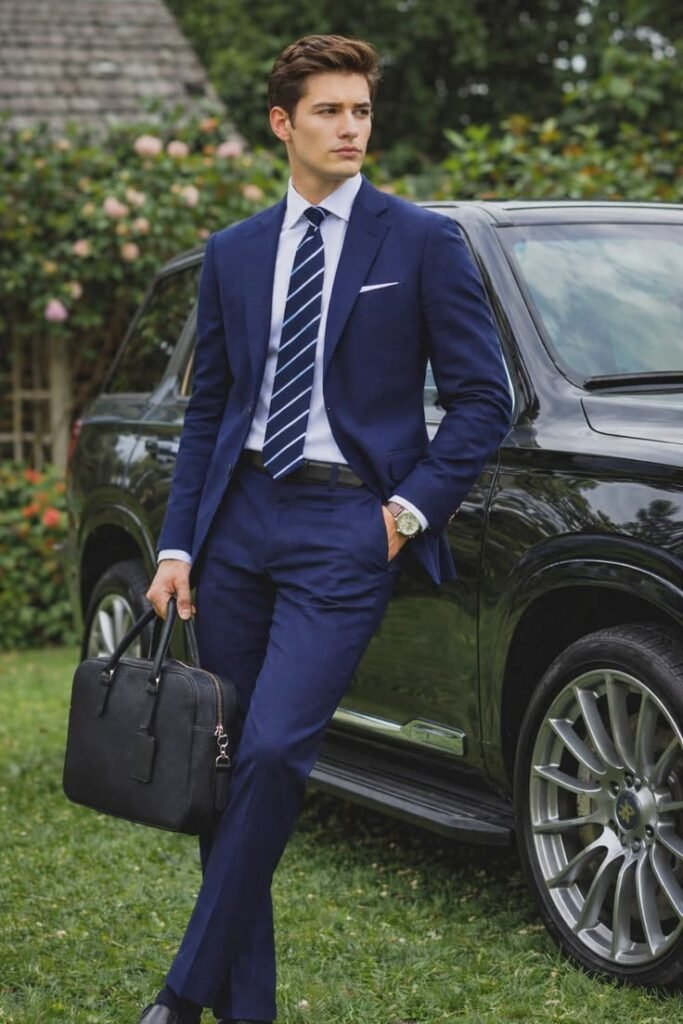
A navy or charcoal two-piece suit remains the single safest choice for almost any job interview, particularly in conservative industries like law, finance, or consulting where formality is expected by default.
Choose a fabric with a slight amount of stretch for comfort through a long day of interviews, and make sure the jacket sits cleanly across the shoulders without pulling or bunching.
Pair the suit with a crisp white or light blue dress shirt, and finish with a solid or subtly patterned tie in a complementary color — avoid anything with loud graphics or novelty patterns, since the goal here is to look serious and dependable, not memorable for the wrong reasons.
Polished black or dark brown leather oxfords complete the look, along with a matching leather belt. This is the outfit to default to whenever you’re unsure how formal the interview should be — it’s nearly impossible to overdress in a well-fitted suit for a job interview.
Interview Blazer

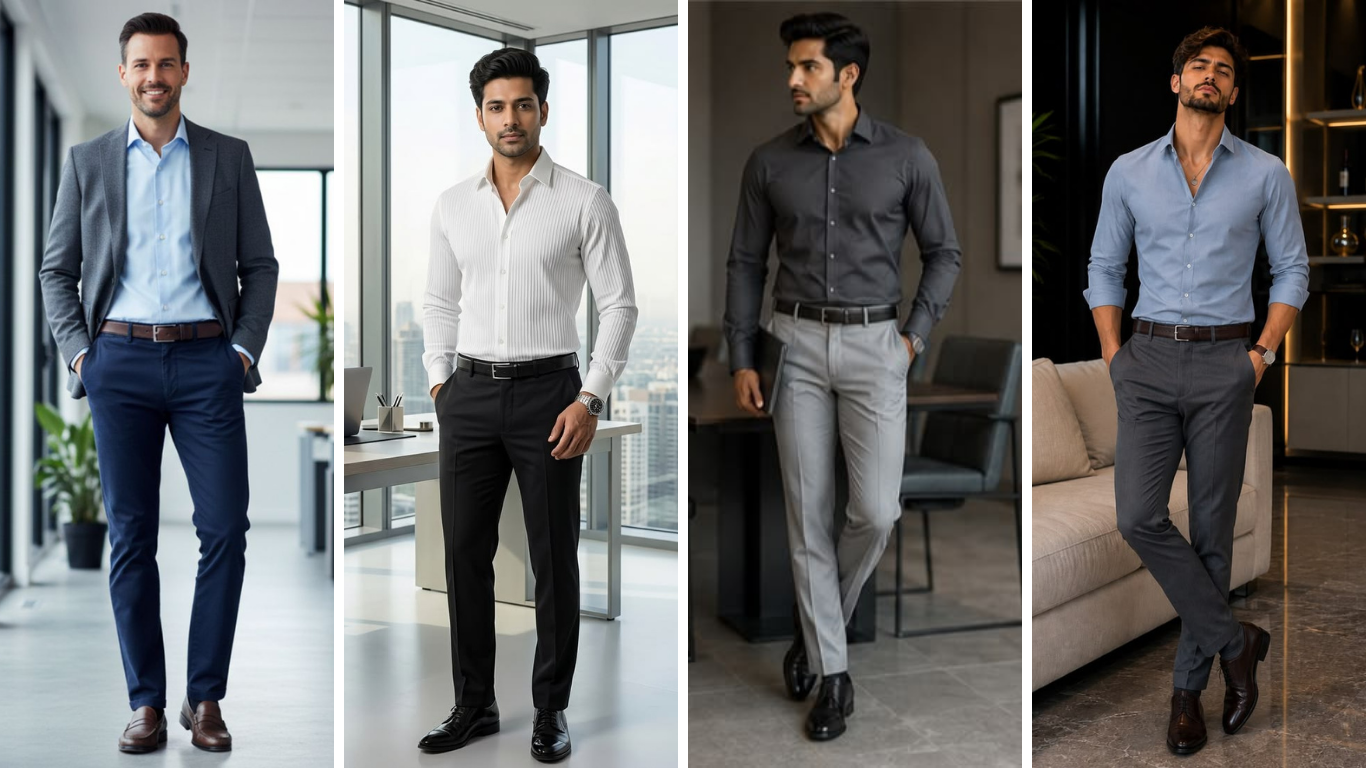
For interviews at companies with a business casual culture, a structured blazer in navy or grey worn without a full suit strikes the right balance between polished and approachable — enough formality to show effort, without looking like you’re overdressed for the office you’re interviewing to join.
Pair it with tailored grey or khaki trousers rather than the matching suit trousers, which keeps the outfit from reading as a mismatched suit. A button-up shirt in white or light blue underneath, worn without a tie, finishes the top half.
Brown leather derby shoes or loafers complete this interview blazer outfit. This combination works well for mid-level corporate roles, account management positions, and any office environment that’s professional but not rigidly formal.
Business Casual

For companies that describe themselves as business casual — a category that covers a huge range of tech, marketing, and mid-size company interviews — a clean button-up shirt tucked into tailored trousers, without a jacket, is often exactly right.
Choose the shirt in a solid color or a subtle pattern like a fine check, tucked into slim charcoal or navy trousers. Skipping the blazer here isn’t a downgrade — it signals that you understand the specific culture you’re interviewing for, which interviewers genuinely notice.
Leather loafers or clean derby shoes finish the look. This business casual interview outfit is one of the most commonly appropriate choices across a wide range of industries, and it’s a safe default when the company’s dress code isn’t entirely clear from research.
Corporate Navy
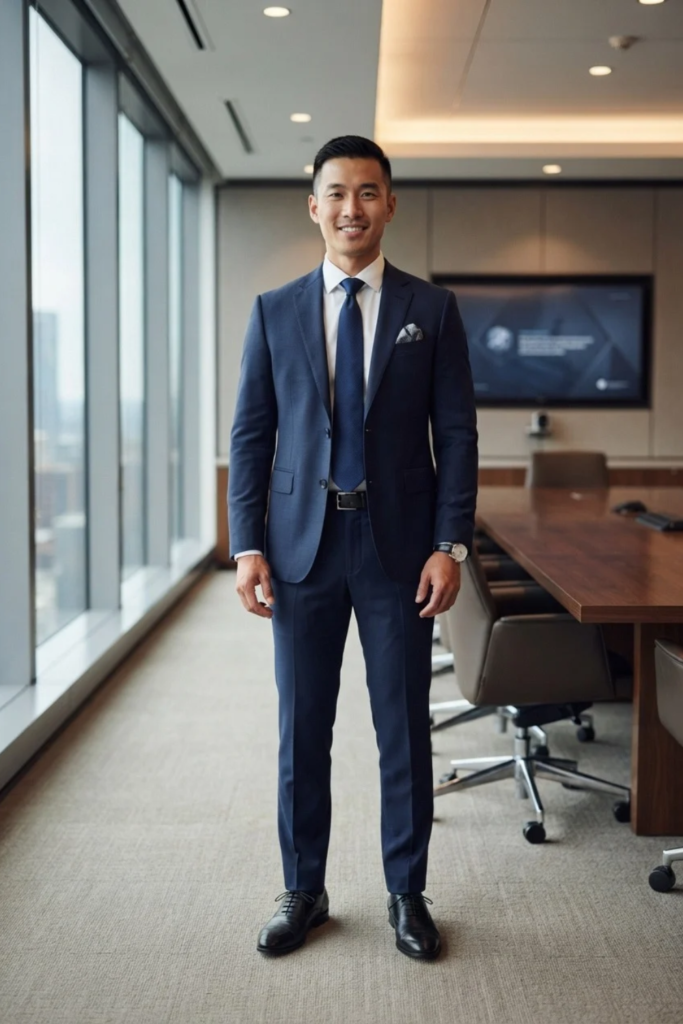
An all-navy combination — a navy suit, a navy tie in a slightly different shade, and a white shirt — creates a cohesive, deliberately understated look that reads as competent and put-together without drawing attention to the clothing itself.
Keep the tie a solid navy or a very subtle pattern in the same family, and make sure the suit fabric has enough texture (a fine herringbone or subtle twill) to keep the monochrome look from feeling flat under office lighting.
Black leather oxfords and a matching belt complete the outfit. This corporate-ready combination works especially well for finance, banking, and traditional corporate interviews where consistency and attention to detail matter as much as the outfit itself.
Creative Interview
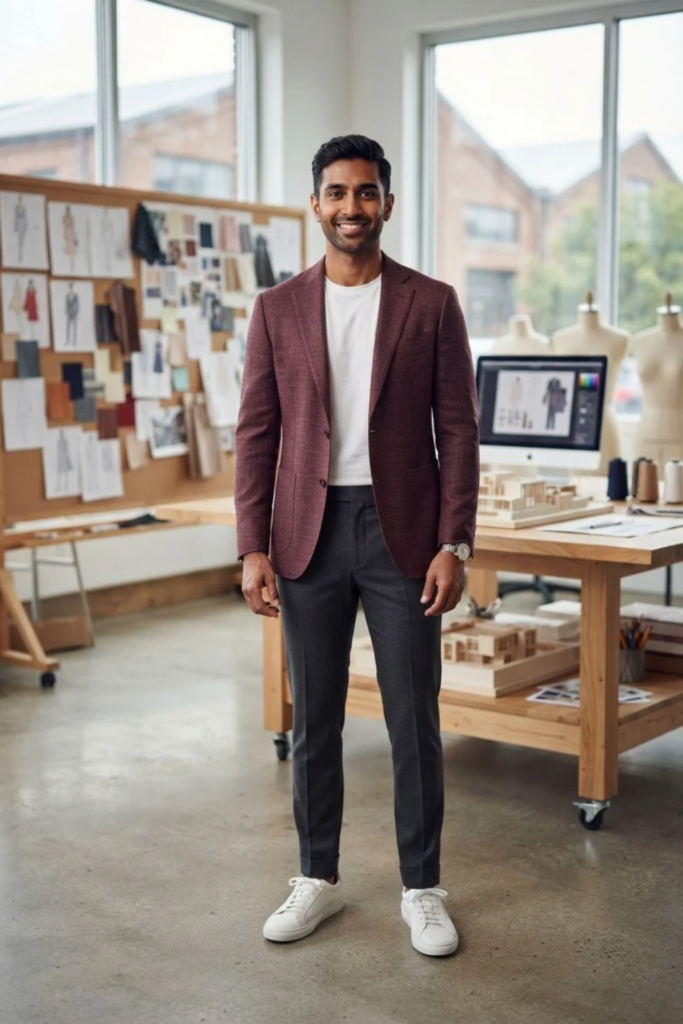
For interviews at design studios, agencies, or creative companies, a bit of personality in the outfit is not just acceptable but often expected — a well-tailored blazer in an unexpected color like deep green or burgundy signals creative confidence.
Pair it with a plain white tee or a fine-knit crewneck instead of a dress shirt, along with slim black or dark grey trousers. This combination shows you understand tailoring while still communicating that you think outside conventional corporate lines.
Clean leather sneakers or minimalist boots finish the look, rather than traditional dress shoes, which would feel out of place in most creative office settings. This creative interview outfit works well for roles in design, advertising, or media where personal style is part of the evaluation.
Startup Smart
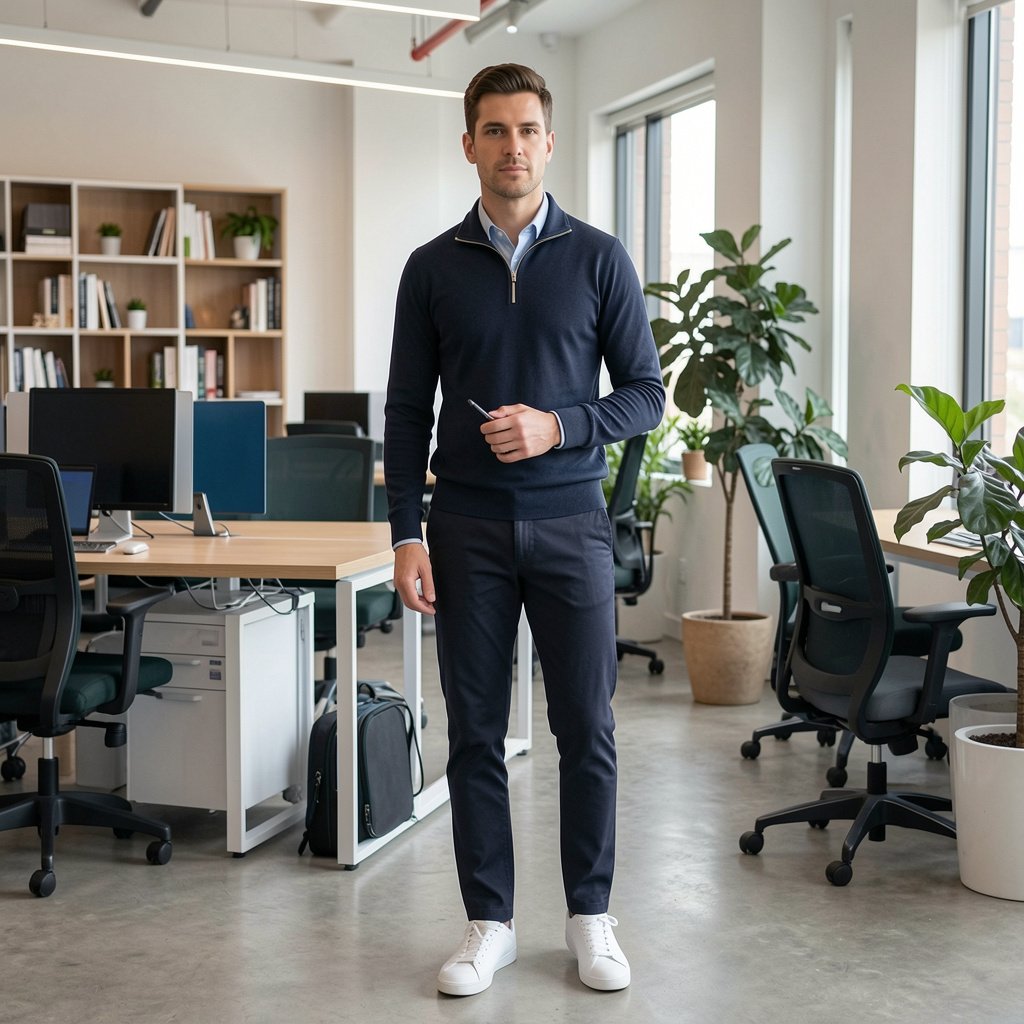
Early-stage startups tend to favor a more relaxed dress code, but “relaxed” for an interview still means intentional — a fitted quarter-zip pullover or fine knit over a plain collared shirt strikes the right note.
Pair it with dark, well-fitted chinos rather than jeans, even if current employees wear denim daily — as the candidate, aiming slightly more polished than the team’s baseline is generally the safer read.
Clean white sneakers or suede loafers complete the outfit. This startup-appropriate combination communicates competence and effort without feeling stiff or out of step with a casual company culture.
Finance Sharp
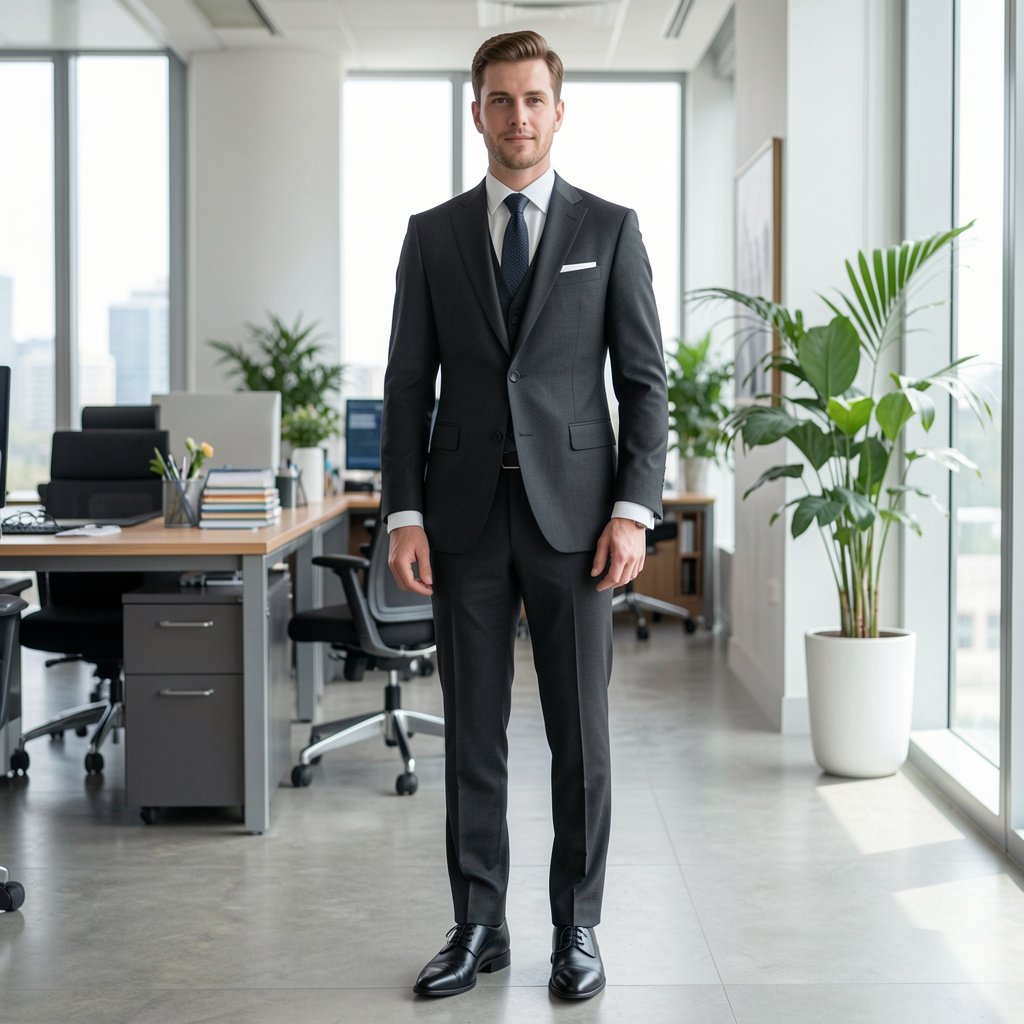
For interviews in investment banking, private equity, or other high-formality finance roles, a well-tailored charcoal or navy suit paired with a conservative tie and a French cuff shirt communicates seriousness at the highest level.
Choose simple silver or gold cufflinks, nothing ostentatious, and make sure the shirt is crisp white with no pattern. This is one of the few industries where erring toward more formal, rather than matching the everyday office dress code, is consistently the right call.
Polished black cap-toe oxfords finish the outfit. This finance-ready combination leaves no ambiguity about how seriously you’re taking the interview, which matters significantly in industries where formality itself signals competence.
Tech Casual

Many tech companies, especially engineering-focused ones, genuinely favor casual dress even for interviews, but a clean, well-fitted look still matters more than most candidates assume.
A plain, well-fitted crewneck sweater or button-up shirt paired with dark, tailored jeans hits the right note — put-together without looking like you tried too hard for a company where the CEO might show up in a hoodie.
Clean sneakers finish the look appropriately. This tech-casual interview outfit signals that you understand the culture while still taking the interview itself seriously, which is exactly the balance most tech interviewers are looking for.
Interview Chinos

Swapping suit trousers for well-tailored chinos in navy or khaki is a smart move for interviews at companies with a business casual dress code that still expects some formality above jeans.
Pair the chinos with a button-up shirt in white or light blue, tucked in, along with a simple leather belt. This interview chinos combination looks considered and professional without tipping into full suit territory.
Brown leather loafers or clean derby shoes complete the look. This is a versatile option that works across retail management, marketing, hospitality, and many mid-level corporate roles.
Grey Tailoring

A light or mid-grey suit offers a slightly softer alternative to navy or charcoal, useful for interviews in warmer months or in industries with a slightly less severe formality expectation, like real estate or sales.
Pair it with a white or pale pink shirt, which adds a small amount of personality while staying entirely professional, along with a solid navy or burgundy tie.
Brown leather oxfords or derby shoes finish the outfit well. This grey tailoring combination is versatile enough to work for a wide range of white-collar interviews without feeling as severe as an all-black or all-navy look.
Conservative Classic
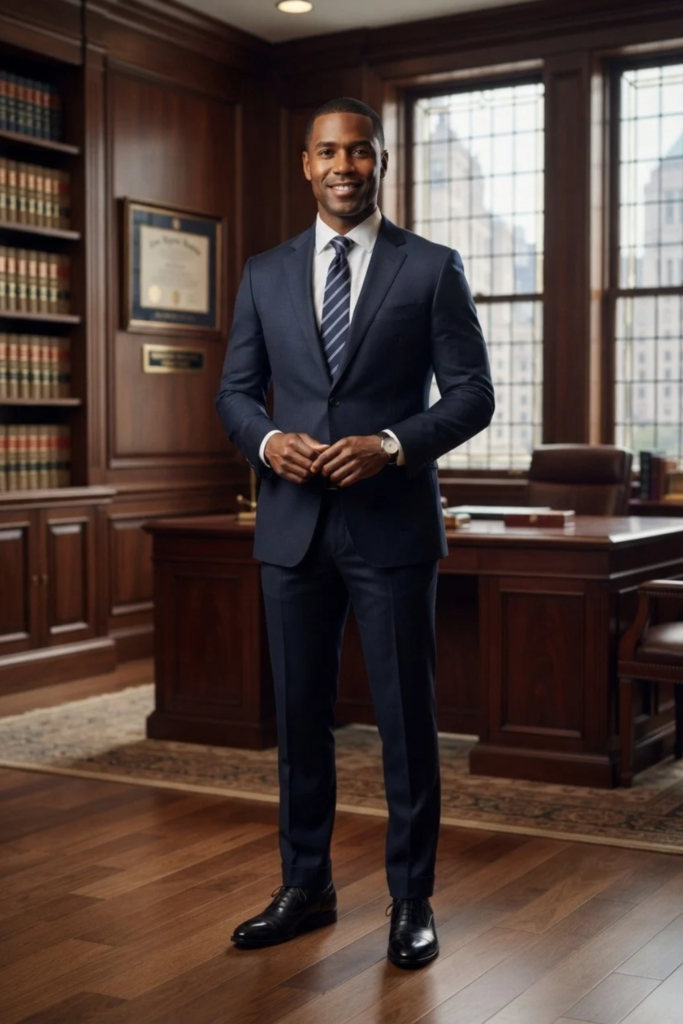
For interviews in law, government, or other highly traditional industries, a dark navy or charcoal suit with a plain white shirt and a solid or subtly striped tie is the least risky choice available.
Avoid any bold colors, patterns, or accessories entirely — this is one context where blending in with expected norms works entirely in your favor, since standing out stylistically can read as a lack of judgment in these particular fields.
Black leather oxfords, a matching belt, and minimal jewelry complete the look. This conservative classic combination is specifically built for situations where formality itself is part of the evaluation criteria.
Modern Professional

A slim-cut suit in a slightly updated fabric — a subtle textured wool rather than a flat worsted — signals professionalism with a bit more current styling, appropriate for younger companies that still expect suits.
Pair it with a shirt in a soft pattern like a fine check, skipping the tie for a slightly more modern, relaxed take on the classic suit-and-tie combination.
Suede or leather loafers rather than traditional oxfords finish the look, adding a modern touch without sacrificing professionalism. This combination works well for mid-size companies, marketing agencies, or younger corporate environments.
Interview Layers
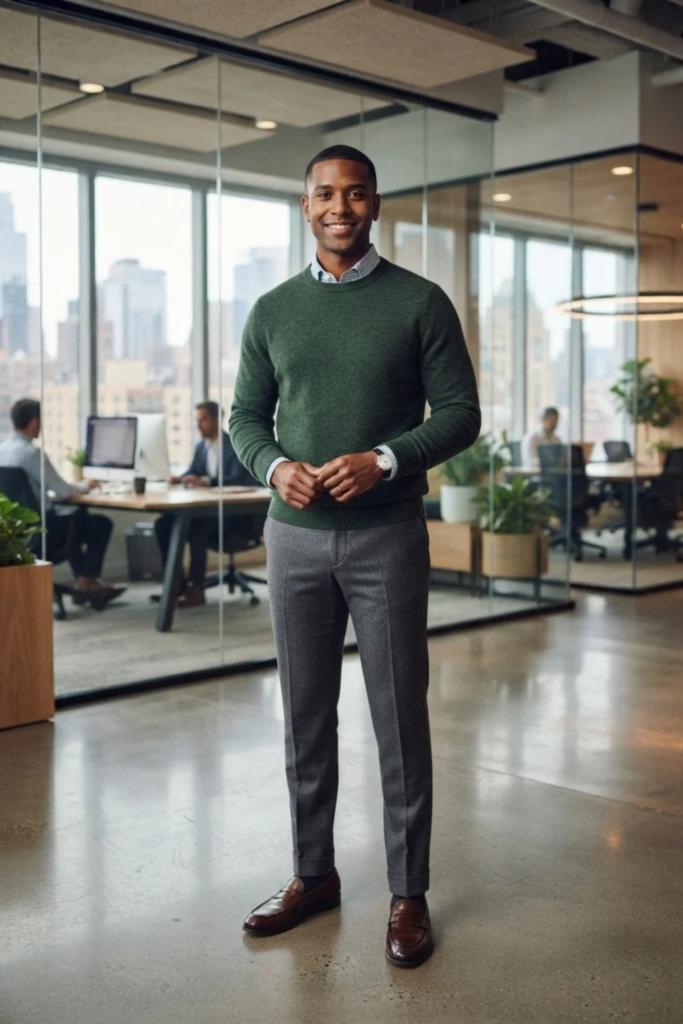
For interviews during cooler months at business casual companies, a fine merino sweater layered over a collared shirt, with the collar visible at the neck, adds warmth and texture without needing a full jacket.
Pair it with tailored charcoal or navy trousers. This interview layers combination looks considered and seasonally appropriate, avoiding the common mistake of wearing a bulky coat indoors throughout an entire interview.
Leather loafers or derby shoes complete the outfit. This is a strong choice for late fall or winter interviews at companies where a full suit isn’t strictly necessary.
Read also: How to Dress Sharp Without Trying Too Hard
Summer Interview
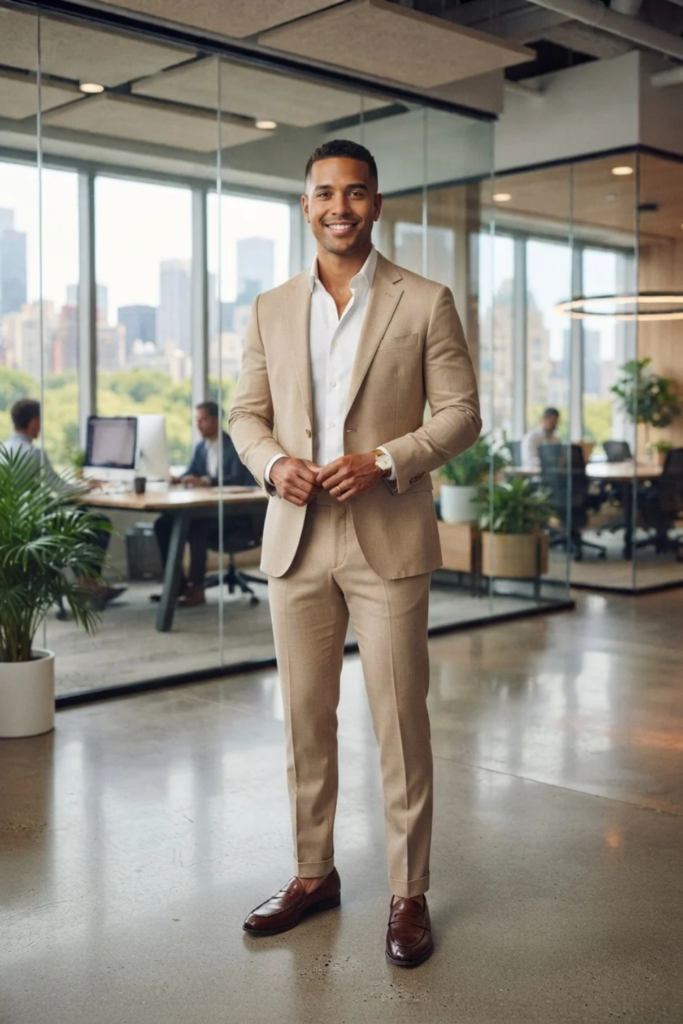
For interviews during hot summer months, a lightweight suit in a breathable fabric like a linen-wool blend keeps you cooler while still maintaining full formality where it’s expected.
Pair it with a lighter-weight dress shirt, and consider a slightly lighter suit color like tan or light grey rather than heavy charcoal, which can look and feel overly warm in summer settings.
Leather loafers without socks, or lightweight oxfords, finish the look appropriately. This summer interview outfit keeps you comfortable through a long day of interviews without sacrificing the formality the role requires.
Winter Interview
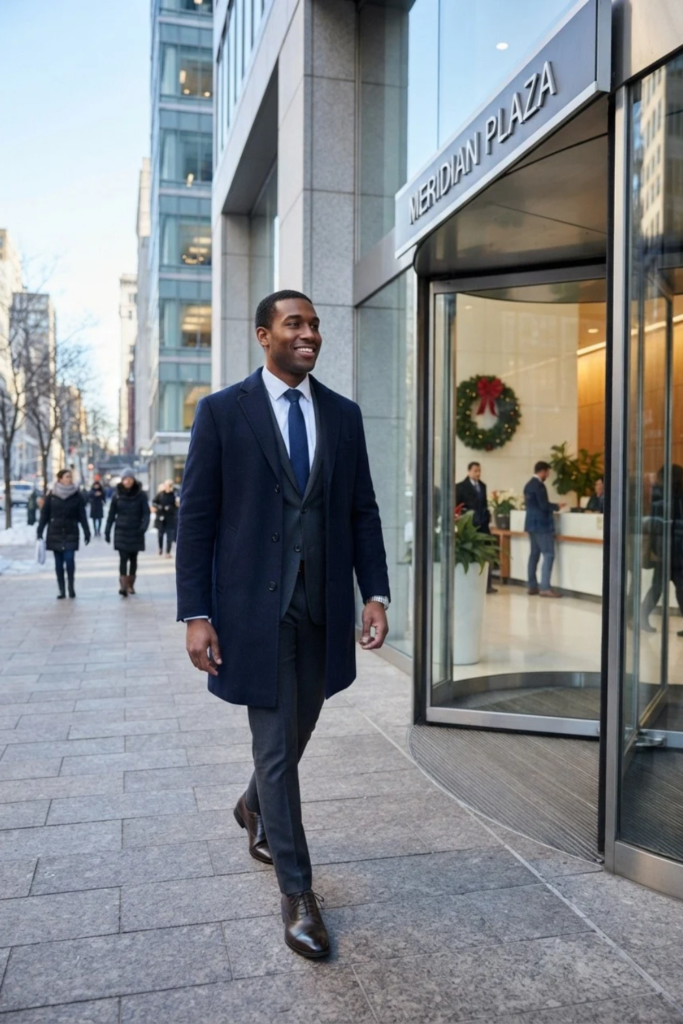
For interviews in cold weather, the key challenge is managing outerwear gracefully — a wool overcoat in navy or charcoal worn over your interview outfit keeps you warm without wrinkling or bulking up what’s underneath.
Wear it over a full suit or blazer combination, and plan to remove it entirely before entering the interview room itself, folding it neatly over your arm or checking it if the office allows.
Leather gloves and a simple scarf can be worn to and from the interview but should be removed well before you’re in front of the interviewer. This winter interview approach keeps your actual outfit looking sharp underneath, regardless of the weather outside.
Video Call Ready

For remote or video interviews, what’s visible on camera matters most, but dressing fully — not just from the waist up — genuinely affects how you carry yourself and speak during the call.
Wear a solid-colored button-up shirt or sweater in a color that contrasts clearly with your background, avoiding busy patterns that can distort or shimmer on camera, paired with real trousers rather than pajama pants.
Even though shoes won’t be visible, dressing completely for a video interview helps mentally shift you into interview mode rather than casual-at-home mode, which often comes through in tone and posture during the call itself.
Entry Level Polish

For a first job or entry-level interview, a well-fitted blazer over a simple button-up shirt, paired with tailored trousers, signals effort and professionalism without requiring an expensive full suit.
Choose the blazer in navy or grey, since these colors work across almost any industry, and pair it with a white or light blue shirt underneath. This combination is an affordable, versatile starting point for anyone building a professional wardrobe from scratch.
Simple leather shoes, polished and in good condition, complete the outfit. This entry-level interview combination proves that a job interview outfit doesn’t need to be expensive to look genuinely professional.
Executive Presence
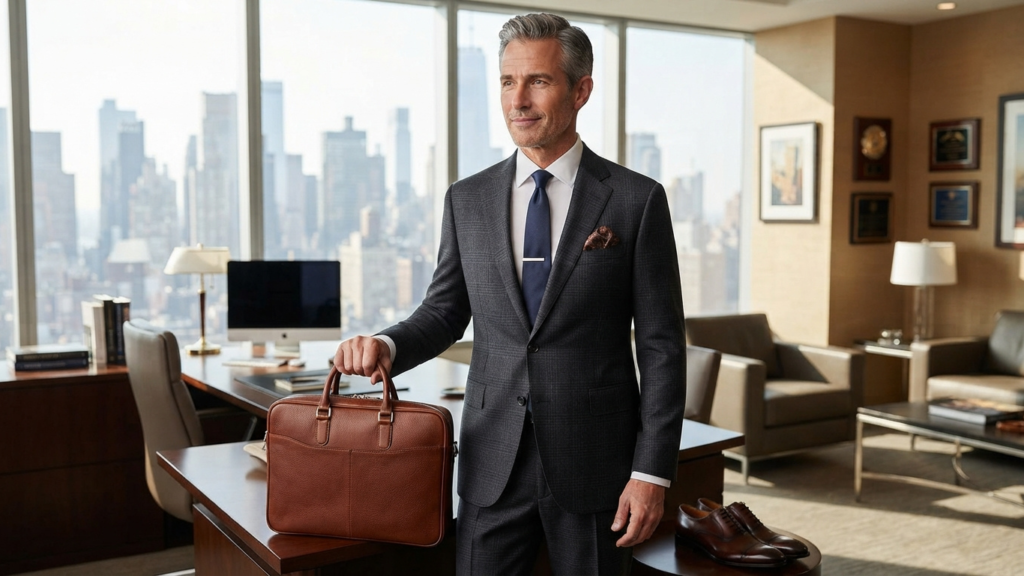
For senior or executive-level interviews, a well-tailored suit in a high-quality fabric, paired with subtle, quality accessories like a leather watch and a simple pocket square, communicates seniority without being flashy.
Choose the suit in charcoal or navy, with a crisp white shirt and a tie in a rich, solid color rather than a busy pattern. At this level, the quality and fit of the tailoring itself carries far more weight than any individual accessory.
Polished oxfords and a quality leather briefcase complete the look. This executive presence combination is built for interviews where the expectation is that you already look the part of the role you’re pursuing.
FAQs
How formal should a job interview outfit be? Match the formality of the company one notch above its everyday dress code — if the office is casual, aim for business casual; if it’s business casual, lean toward a full suit or blazer. When you’re not sure, it’s almost always safer to be slightly overdressed than underdressed, since you can remove a jacket or tie but can’t quickly upgrade a too-casual outfit.
Is it okay to wear a suit to a casual company interview? Yes, though it can occasionally feel like overkill at very casual startups. A safer middle ground in those cases is a blazer without a tie, or a clean button-up and tailored trousers, which shows effort without looking like you misjudged the culture entirely.
What colors should you avoid in a job interview outfit? Avoid bright, attention-grabbing colors and busy patterns, since the goal is for the interviewer to focus on you, not your clothing. Stick to navy, grey, charcoal, white, and black as your foundation, adding subtle color through a tie or accessory only if the industry allows for it.
Read also: