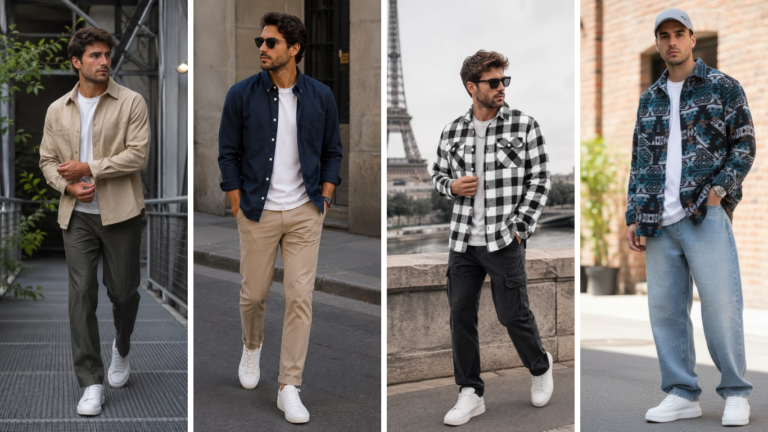
The Difference Between Slim Fit, Regular Fit, and Tailored Fit
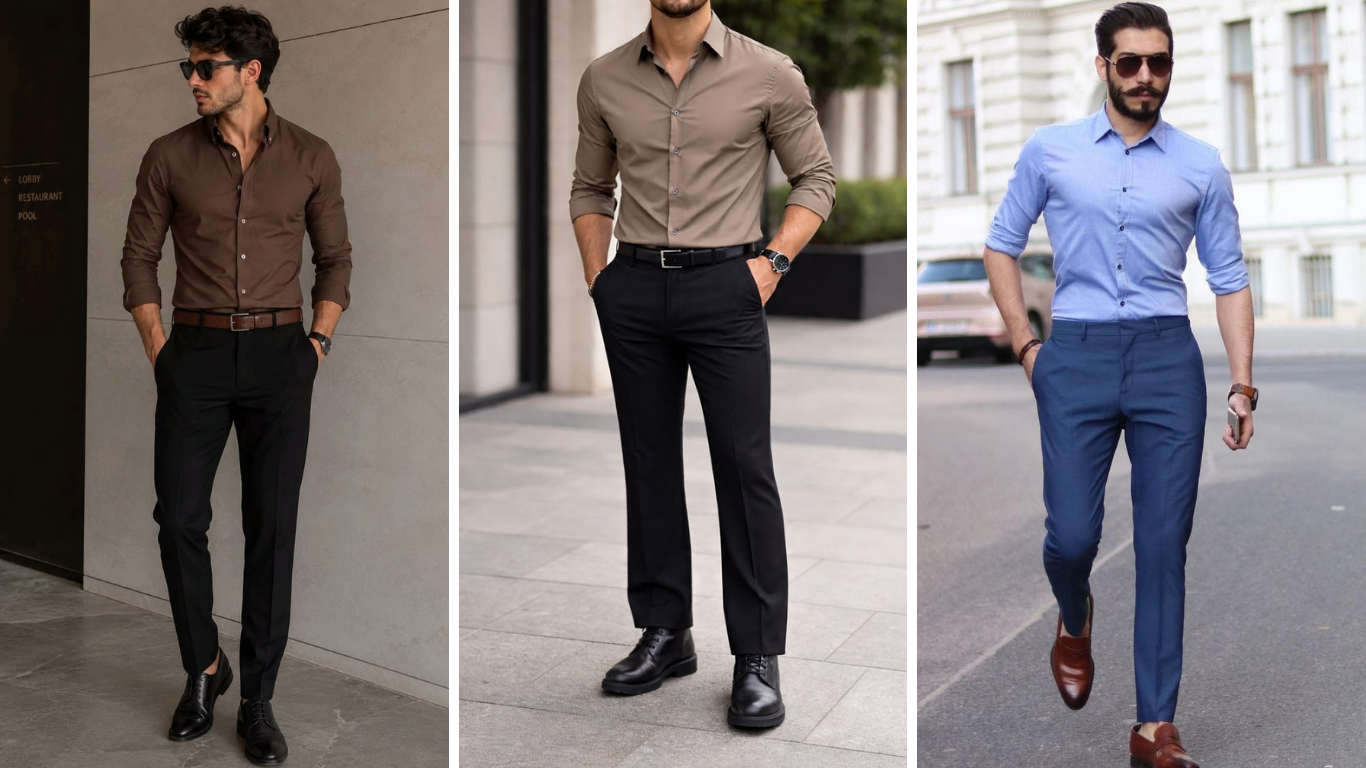
Slim fit sits close to the body with minimal extra fabric, regular fit is cut looser and roomier throughout, and tailored fit falls between the two — shaped to your body’s actual proportions without being tight. The right one depends on your build, not which label sounds the most fashionable, and most men are wearing the wrong one without realizing it.
What Do “Slim Fit,” “Regular Fit,” and “Tailored Fit” Actually Mean?
These three terms get thrown around constantly on clothing tags, but they’re not standardized across brands, which is part of why so much confusion exists. Broadly speaking, though, each term refers to how much excess fabric sits between the garment and your body, and where that fabric is cut close versus loose.
Slim fit is cut narrower through the chest, waist, and arms, with less room to spare anywhere on the body. It’s designed to follow your silhouette closely without being restrictive.
Regular fit is the roomiest of the three, cut with extra fabric through the chest, waist, and sleeves. It’s the traditional, generously-cut option that prioritizes comfort and movement over a close silhouette.
Tailored fit sits in between, but it’s shaped differently than a simple midpoint between slim and regular. It’s cut to follow the natural contours of the body — narrower at the waist, structured at the shoulders — without being as aggressively narrow as slim fit. Think of it as “shaped to you” rather than “narrow” or “loose.”
The confusion mostly comes from brands using these terms inconsistently — one brand’s “slim fit” can run roomier than another brand’s “regular fit.” The category names are a starting point, not a guarantee, which is why understanding what each fit is actually trying to achieve matters more than trusting the label alone.

What Does Slim Fit Actually Look Like on the Body?
Slim fit clothing is built to minimize extra fabric everywhere — a slim-fit shirt will sit close through the torso and taper noticeably at the waist, a slim-fit blazer will have a narrower chest and higher armholes, and slim-fit trousers will taper down the leg without much room to spare at the thigh or calf.
Done correctly, slim fit reads as sharp, modern, and put-together — it’s the fit most associated with a clean, contemporary silhouette. Done incorrectly, it reads as restrictive, straining at buttons, or riding up when you move. The margin for error with slim fit is smaller than with the other two categories, because there’s less spare fabric to hide an imperfect match between the garment and your specific proportions.
Slim fit tends to work best on leaner, athletic, or narrower builds, where there isn’t much natural width to fight against. It can absolutely work on broader or heavier builds too, but it requires more precise sizing and often benefits from a slightly less aggressive slim cut rather than the most extreme version of the style.
What Does Regular Fit Actually Look Like on the Body?
Regular fit is the classic, generous cut most menswear was built around for decades before slim fit became fashionable in the 2000s and 2010s. A regular-fit shirt has more room through the chest and a straighter drop to the waist, a regular-fit blazer has a boxier shoulder and looser chest, and regular-fit trousers sit straighter through the leg without much tapering.
The upside of regular fit is comfort and forgiveness — it accommodates a wider range of body types without needing precise alterations, and it allows for easier layering underneath, since there’s more room to work with. The downside is that, done poorly, it can look shapeless or dated, especially if there’s noticeably more fabric than the body underneath actually needs.
Regular fit tends to suit broader, heavier, or more muscular builds particularly well, since it doesn’t fight against natural width the way slim fit can. It’s also a smart choice for men who prioritize comfort and movement — manual work, long days on your feet, or simply a personal preference for less restrictive clothing.
Read also: 10 Fashion Rules Every Stylish Man Should Know
What Does Tailored Fit Actually Look Like on the Body?
Tailored fit is often misunderstood as just “in between slim and regular,” but that’s not quite accurate — it’s a distinct approach built around following your specific proportions rather than sitting at a fixed point on a slim-to-loose spectrum.
A tailored-fit shirt will taper at the waist without being tight through the chest, a tailored-fit blazer will have structured shoulders and a defined waist without looking narrow, and tailored-fit trousers will sit cleanly through the hip and thigh with a slight, natural taper toward the ankle.
This is genuinely the fit most style-focused men should be aiming for, because it’s built around the idea of clothing that follows your actual shape — not a size smaller than your body (slim) or noticeably roomier than your body (regular).
The tradeoff is that tailored fit is the least forgiving of body-shape mismatches off the rack, because it’s designed around an idealized proportion that doesn’t perfectly match every build.
This is exactly why tailored fit and actual tailoring (the service, not the fit category) go hand in hand — buying tailored-fit pieces and then having them adjusted by an actual tailor produces the sharpest possible result.
Which Fit Actually Suits Your Body Type?
This is the question that matters more than any brand’s labeling system, because the right fit depends entirely on your specific proportions, not a universal rule.
Broader or muscular build (wide shoulders, larger chest): regular fit or a slightly relaxed tailored fit usually looks best. Slim fit can strain across the chest and shoulders, creating a pulled, uncomfortable look regardless of how well the rest of the garment fits.
Leaner or slighter build: slim fit or a snug tailored fit tends to look most proportional. Regular fit on a slim frame often creates excess fabric that reads as oversized rather than intentional.
Average or athletic build: tailored fit is almost always the strongest default, since it’s designed around a balanced, proportional silhouette that doesn’t require compensating for an unusually narrow or broad frame.
Shorter frame: slim or tailored fit generally photographs better, since regular fit’s extra fabric can visually shorten the frame further. A cleaner, closer silhouette elongates the body more effectively.
Taller frame: all three fits can work, but regular fit is more forgiving on a taller frame since there’s more height to balance out the extra fabric — a taller man can carry looser proportions without looking swallowed by them the way a shorter man might.
The honest answer for most men is that tailored fit is the safest starting point, since it’s specifically designed to flatter a proportional frame without the higher risk of slim fit or the higher potential for shapelessness in regular fit. From there, adjust toward slim or regular based on how your specific build compares to an average proportion.
How Do You Tell the Difference When Trying Clothes On?
Labels aren’t reliable enough on their own, so here’s how to actually assess fit in a fitting room, regardless of what the tag says.
Check the shoulder seam first. On a jacket or structured shirt, the seam where the sleeve meets the shoulder should sit right at the edge of your actual shoulder bone. If it hangs past your shoulder, it’s cut too generously (likely regular fit); if it pulls inward onto your upper arm, it’s cut too narrow (likely an overly aggressive slim fit).
Pinch the fabric at your waist. If you can grab a significant handful of extra fabric at the waist of a shirt or jacket, that’s regular fit. If there’s barely any give and the fabric pulls when you twist or reach, that’s an overly tight slim fit. Tailored fit should let you pinch a small, manageable amount — enough to move comfortably, not enough to bunch up when tucked in.
Test full range of motion. Raise your arms, sit down, and reach forward before deciding a fit works. Slim fit that feels fine standing still can reveal itself as too tight the moment you sit down or reach for something. Tailored fit should move with you without excessive pulling in any of these positions.
Look at the leg break on trousers. Regular fit trousers typically have a fuller break at the shoe with more fabric pooling. Tailored fit should show a clean, slight break without excess bunching. Slim fit often has minimal to no break, ending right at or slightly above the shoe.
How Does the Right Fit Change Depending on the Garment?
Fit isn’t a single decision you make once and apply to your entire wardrobe — the right choice often changes depending on the specific garment, because different pieces serve different functions on the body.
Dress shirts tend to benefit most from tailored fit, since a shirt worn under a jacket needs to sit clean and close without bunching, but a shirt worn on its own in slim fit can look overly tight through the torso if you’re not genuinely lean. Regular fit dress shirts are common in more traditional or corporate environments, but even there, a slight taper at the waist (tailored fit) almost always looks sharper in photos and in person.
Suits and blazers are where the fit choice matters most visibly, since a jacket’s shoulder and chest shape are the hardest things to alter after purchase. Tailored fit is the strongest default here for most men, since it balances structure with movement — slim fit suiting can look sharp on camera but often restricts arm movement in daily wear, while regular fit can look dated or boxy if there’s noticeably more room than your frame needs.
Trousers and chinos have arguably the most flexibility of any category, since leg shape is easier to adjust after the fact than shoulder or chest structure. Slim fit works well for a more contemporary silhouette, tailored fit (sometimes labeled “straight” or “athletic” fit) offers a clean middle ground, and regular fit remains a smart choice for comfort-focused days or broader thighs and calves that slim cuts tend to strain against.
Casual knitwear and T-shirts are the most forgiving category across all three fits, since the stakes of a slightly-off fit are lower in casual settings. That said, a slim or tailored fit T-shirt worn under an open shirt or jacket will layer more cleanly than a boxy regular fit, which can bunch up and add unwanted bulk underneath other pieces.
Outerwear — coats, jackets, and blazers meant to be worn over other layers — often benefits from sizing one small step roomier than you’d choose for a standalone piece, specifically to accommodate whatever’s underneath. A tailored-fit coat that fits perfectly over a T-shirt might feel restrictive over a sweater and dress shirt, so it’s worth trying outerwear on with the layers you actually intend to wear beneath it.
Fit Comparison Table
| Category | Slim Fit | Regular Fit | Tailored Fit |
|---|---|---|---|
| Silhouette | Close to the body, minimal extra fabric | Generous, roomy throughout | Shaped to natural body contours |
| Best body types | Leaner, narrower, athletic builds | Broader, heavier, muscular builds | Average or balanced proportions |
| Comfort level | Least forgiving, less room to move | Most forgiving, easiest to move in | Balanced — fitted but not restrictive |
| Visual effect | Sharp, modern, sometimes risk of looking tight | Classic, sometimes risk of looking shapeless | Sharp and proportional without straining |
| Alteration needs | Often needs precise sizing to avoid pulling | Rarely needs alteration, but can look baggy | Benefits most from a tailor’s fine-tuning |
| Best for | Casual and contemporary formal looks | Comfort-first days, layering, broader frames | Most formal and semi-formal occasions |
Common Mistakes Men Make Choosing Between These Fits
- Assuming one fit works for every category of clothing. A man might need slim-fit trousers but regular-fit or tailored-fit shirts, depending on where his proportions actually differ from average — treating fit as a single, universal choice across your whole wardrobe is a mistake.
- Trusting the label over how the garment actually feels. Because sizing isn’t standardized, a “slim fit” from one brand can fit like another brand’s “regular fit.” Always judge by how it sits on your specific body, not the tag.
- Buying slim fit purely because it’s trendy. Slim fit doesn’t automatically look better — on the wrong build, it looks tighter and less flattering than a properly chosen tailored or regular fit would.
- Never getting regular-fit pieces altered. Regular fit is meant to be roomy, but “roomy” and “shapeless” aren’t the same thing — a simple waist or sleeve adjustment can transform an overly generous piece into something that still reads as intentional.
- Confusing tailored fit with “the actual service of tailoring.” Buying a tailored-fit shirt doesn’t mean it’s been tailored to you specifically — it’s a manufacturer’s cut, and it still benefits from an actual tailor’s adjustments for a truly custom result.
- Judging fit while standing perfectly still. Fit needs to be assessed in motion — sitting, reaching, walking — since a garment that looks fine standing at attention in a mirror can reveal real problems the moment you move naturally.
FAQ
Which fit is more flattering: slim, regular, or tailored? There’s no single answer — it depends entirely on your body type. Tailored fit is the safest general choice for most average or balanced builds, while slim fit tends to favor leaner frames and regular fit tends to favor broader or more muscular ones.
Can I have a jacket altered from regular fit to tailored fit? In many cases, yes. A skilled tailor can take in the waist, adjust the sleeves, and reshape the silhouette of a regular-fit jacket to more closely resemble a tailored fit, though the shoulder structure itself is harder to change and may limit how far the alteration can go.
Is slim fit the same as skinny fit? No. Skinny fit is even narrower than slim fit, often with very little room throughout, and it’s a distinct category that runs tighter than what most brands label “slim.” Slim fit follows the body’s shape closely without being as restrictive as skinny fit.
How do I know if my current clothes are the wrong fit for my body? Watch for straining or pulling at buttons and seams (a sign your slim or tailored fit is too tight), or excess fabric bunching at the waist, shoulders, or ankles (a sign your regular fit is too loose). If you’re regularly adjusting or tugging at your clothes throughout the day, that’s usually a sign the fit isn’t right for your specific proportions.
Read also: