How to Choose the Perfect Suit for Your Body Type
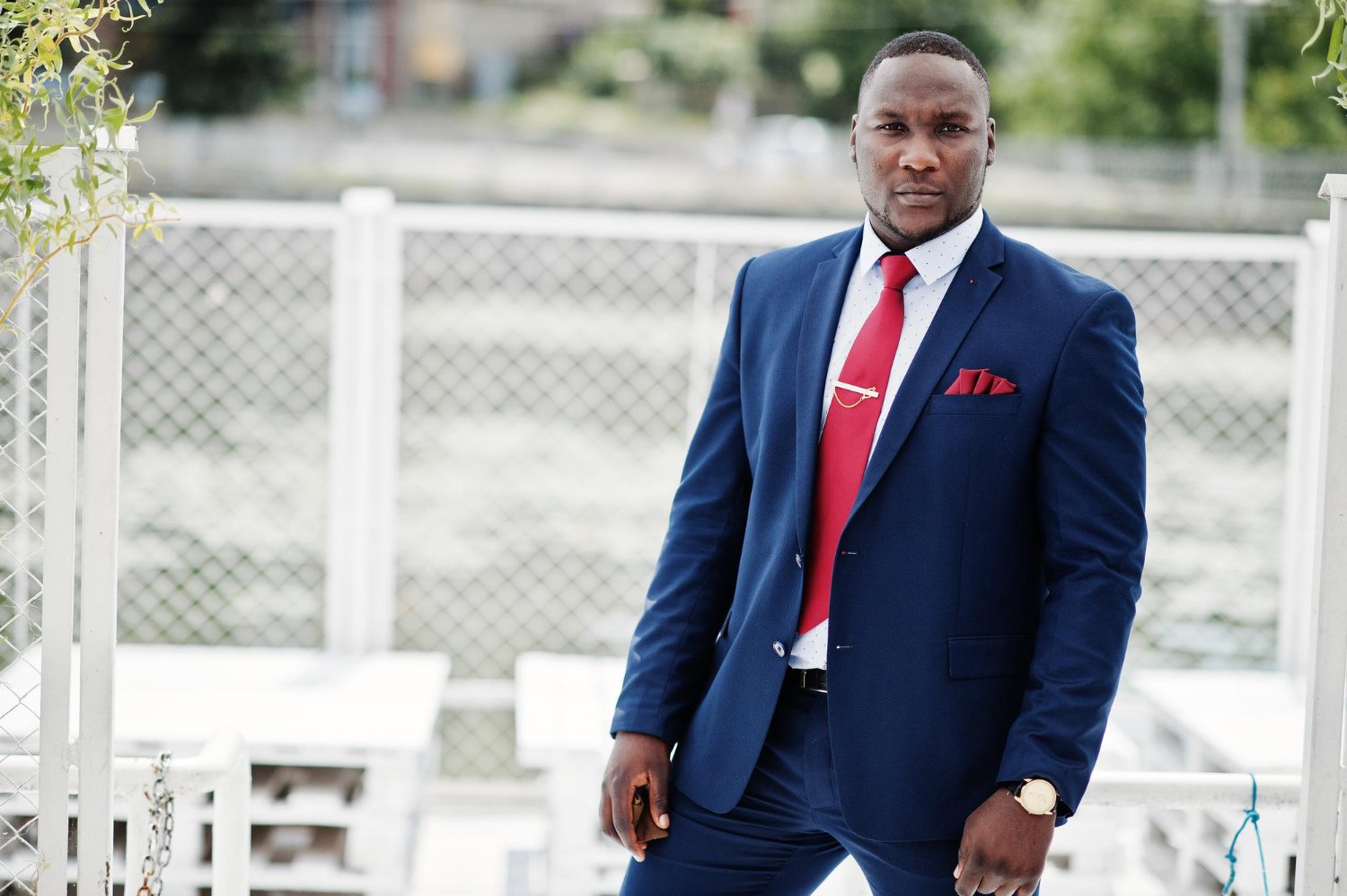
The right suit doesn’t hide your body type — it corrects its proportions. A well-chosen cut adds structure where you’re narrow, removes bulk where you’re broad, and adjusts jacket length and trouser break to balance your height, so the suit reads as tailored rather than simply “worn.”
Most men default to shopping by chest or jacket size alone, then judge the result on whether it “feels” right in the mirror. That approach misses the point: a suit is a system of interacting measurements — shoulder width, chest, waist suppression, jacket length, and trouser rise all work together to create a single silhouette.

Get one badly wrong and the whole outfit reads as ill-fitting, even if every other measurement is technically correct. Understanding your body type first, then shopping against that framework, is what separates a suit that fits from a suit that simply goes on.
Quick Rules: Suit Fit at a Glance
- Shoulders should end where your shoulders end. No divot, no overhang — this is the single hardest thing to alter later, so it matters more than any other fit point.
- Jacket length should cover your seat and typically fall around mid-palm when your arms hang relaxed at your sides.
- A slimmer body benefits from structure (padded shoulders, closer waist suppression); a broader or stockier body benefits from a straighter, less clingy cut.
- Taller men can carry more visual “break” in lapels, cuffs, and pattern scale; shorter men generally look sharper in higher-contrast, cleaner lines with less broken silhouette.
- Trouser rise and break should match jacket length — a longer jacket needs a higher rise and cleaner break to avoid visually shortening the leg.
- Fit before fashion. A trend-correct suit that doesn’t fit your frame will always look worse than a classic cut tailored properly to your body.
How to Identify Your Body Type
Before adjusting cut and detail, it helps to place yourself in one of the broad categories tailors use. None of these are rigid, and most men are a blend of two categories rather than a pure fit into one — a broad-shouldered man may also run tall, or a stockier build may also be short-torsoed.
Use the following as a starting point for shopping decisions, not a fixed label, and expect to weigh two or three factors together rather than relying on a single measurement.
- Measure your shoulders relative to your waist. Broader shoulders than waist generally indicate an athletic or inverted-triangle build.
- Check your waist relative to your chest and hips. A similar measurement across chest, waist, and hips suggests a rectangular build.
- Note where you carry weight. Weight carried through the midsection with a fuller chest generally indicates a stockier or “oval” build.
- Compare your torso length to your leg length. This determines how jacket length and trouser rise should be balanced, independent of weight or shoulder width.
- Factor in height separately from build. Height changes proportion recommendations (lapel width, jacket length, pattern scale) regardless of which body type category you fall into.
Athletic / Inverted Triangle (Broad Shoulders, Narrow Waist)
This build — broad through the chest and shoulders, tapering to a narrower waist — is often the easiest to dress well, but it’s also the easiest to overdo. Because the natural taper is already pronounced, the goal is restraint: let the body do the work the jacket would otherwise have to fake, and avoid construction choices designed for builds that lack natural shape.

- Avoid excess shoulder padding. Your shoulders already provide the structure; extra padding creates an exaggerated, costume-like line.
- Look for a suppressed waist, but not an aggressively tapered one — you want the jacket to follow your natural taper, not create a new one.
- Choose mid-to-lower gorge lapels in a moderate width; overly wide lapels can emphasize shoulder width to the point of imbalance.
- Single-breasted, two-button jackets are the safest default, keeping the V-shape clean without adding visual bulk.
- Avoid horizontal patterns like wide chalk stripes across the chest, which can make broad shoulders look wider still.
Slim / Rectangular (Similar Chest, Waist, and Hip Measurements)
A slim, straight build has the opposite challenge: adding shape and structure rather than removing it. Because there’s little natural taper to work with, the jacket itself has to create the illusion of shape through construction and cloth choice — which means this build benefits most from a tailor’s input, since the wrong cut here simply hangs rather than fits.
- Choose a jacket with structured, padded shoulders to create width and definition through the upper body.
- Look for waist suppression in the cut, even if your natural waist doesn’t taper much — this is where tailoring creates shape the body doesn’t provide on its own.
- Double-breasted jackets work well here, since the overlapping front panel adds visual mass without looking forced.
- Textured cloth (flannel, tweed, heavier weaves) adds visual bulk more effectively than smooth worsted wool, which can read as flat on a straight frame.
- Avoid overly slim-cut trousers, which can exaggerate a lack of shape rather than balance it — a slightly fuller straight leg reads better than a tapered skinny cut.
Stocky / Broad (Fuller Chest and Midsection, Less Waist Definition)
For a broader or stockier build, the goal is a clean vertical line and controlled volume, not compression. Buying a size down to “hold everything in” is one of the most common mistakes for this build — it pulls at the buttons and creates the exact bulging silhouette it’s meant to avoid. The better strategy is sizing correctly for the chest and shoulders, then letting a tailor manage the waist.
- Choose a single-breasted jacket over double-breasted, since the extra fabric and cross-body panel of a double-breasted cut adds visual bulk.
- Look for a straighter cut through the body rather than aggressive waist suppression, which can pull and gape across a fuller midsection.
- Darker, solid or subtly textured cloth reads leaner than light colors or bold patterns.
- Notch lapels in a moderate width keep the upper body from looking wider than it is; avoid very wide peak lapels.
- Flat-front trousers with a proper rise sit cleaner through the midsection than pleated trousers, which can add visible volume at the waist.
Tall Frames
Height gives you room to carry more visual interest, but proportion still needs managing so the suit doesn’t overwhelm or elongate awkwardly. The most common error for tall men isn’t choosing the wrong style — it’s wearing off-the-rack sizing that was never proportioned for their height in the first place, resulting in sleeves, trousers, and jacket lengths that all run short simultaneously.
- Slightly longer jacket lengths work well, but keep the rule of covering the seat and reaching mid-palm — don’t extend beyond it just because you have height to spare.
- Wider lapels and bolder pattern scale (chalk stripes, larger checks) are proportionate on a taller frame, where they’d overwhelm a shorter man.
- A slightly higher-waisted trouser keeps the leg line long without looking exaggerated.
- Consider a third button or three-piece configurations, since a taller torso can carry the additional visual break of a waistcoat without looking busy.
- Watch sleeve and trouser length carefully — off-the-rack sizing is built around average height, so tall frames are the most common victims of sleeves and hems that run short.
Read also: The History of the Suit: How Classic Menswear Evolved
Shorter Frames
The priority for a shorter build is a clean, unbroken vertical line — every seam and proportion decision should support that. Anything that visually interrupts the line — a jacket that runs long, a heavily broken trouser, or an oversized pattern — reads as disproportionate far more quickly on a shorter frame than a taller one, so restraint in scale matters more here than almost any other body type.
- Keep jacket length shorter, ending closer to the top of the seat rather than fully covering it, to avoid visually shortening the leg.
- Choose narrower lapels and smaller pattern scale, since oversized details read as disproportionate on a smaller frame.
- Avoid cuffed trousers with a full break — a slight or no break keeps the leg line long and unbroken.
- Monochromatic or tonal outfits (jacket, trousers, and shirt in closely related shades) create a continuous vertical line that adds visual height.
- Single-breasted, two-button jackets are generally more flattering than three-button or double-breasted styles, which can visually shorten the torso.
Larger / Big and Tall Frames
For fuller builds at larger sizes, the fit priorities shift toward comfort without sacrificing structure — an overly tight suit is far less flattering than a properly eased one. Off-the-rack big-and-tall lines have improved significantly in recent years, but sizing still varies widely between brands, which makes trying a jacket on (or working from precise measurements with an experienced tailor) more important than relying on labeled size alone.
- Prioritize shoulder fit above all else — an ill-fitting shoulder on a larger frame is the most visually obvious fit failure and the hardest to correct through alterations.
- Choose structured, darker cloth over soft or light fabric, which holds its shape better and reads more tailored on a fuller frame.
- Avoid double-breasted jackets in most cases, since the extra fabric panel adds bulk rather than balance.
- Look for a slightly longer jacket length to properly cover the seat and midsection, rather than a shorter length that can expose more than intended.
- Have trousers properly fitted through the seat and thigh rather than sized purely by waist measurement — big-and-tall trouser blocks vary significantly between brands.
Cloth, Pattern, and Color: Adjusting for Build
Cut and construction do most of the work in flattering a body type, but cloth choice reinforces or undermines that work. A few principles apply across builds:
- Heavier, textured cloth (flannel, tweed, thicker worsted) adds visual mass and suits slimmer builds looking to add shape; lighter, smoother cloth (fine worsted, tropical wool) reduces visual bulk and suits broader or stockier builds.
- Pattern scale should roughly track body size. Larger frames and taller men can carry bolder checks and wider stripes without the pattern looking cartoonish; smaller or shorter frames generally look sharper in subtle texture or narrow pinstripes rather than bold pattern.
- Dark, solid colors read as leaner and more formal across every body type, which is why navy and charcoal remain the default recommendation for stockier and fuller builds specifically.
- Contrast between jacket and trousers can shorten the visual line. Two-piece suits in matching cloth (rather than separates in contrasting shades) create one continuous silhouette, which is particularly useful for shorter builds trying to maximize apparent height.
- Vertical elements — pinstripes, narrow lapels, higher button stances — elongate, while horizontal elements — wide lapels, patch pockets, low button stances — add width. Choose based on whether your build needs more length or more structure.
Common Mistakes to Avoid
- Buying by chest size alone. Chest, waist, shoulder width, and torso length all interact — a jacket that fits the chest can still fail badly at the shoulder or waist.
- Ignoring the shoulder seam. Waist and length can be altered relatively easily by a tailor; shoulder width generally cannot be adjusted without extensive (and expensive) reconstruction.
- Choosing trends over proportion. A currently fashionable cut that doesn’t suit your build will read as ill-fitting no matter how current it is.
- Skipping alterations entirely. Very few off-the-rack suits fit perfectly out of the box — sleeve length, trouser break, and waist suppression are standard, expected alterations, not signs of a poor purchase.
- Overcorrecting your body type. Excessive padding, suppression, or structure meant to “fix” a build often looks more artificial than simply choosing a well-proportioned cut in the first place.
FAQ
Can a tailor fix a suit that’s the wrong fit for my body type? Within limits. Waist suppression, trouser length, and sleeve length are straightforward alterations. Shoulder width and jacket length are difficult and expensive to alter significantly, so getting those two right at purchase matters more than any other measurement.
Should I size up or down if I’m between sizes? Generally size to your shoulders and chest, then have the waist taken in — it’s far easier for a tailor to remove fabric than to add it, so a slightly larger starting size gives more room for adjustment.
Do double-breasted suits work for every body type? No. They tend to suit slim and rectangular builds well by adding visual mass, but they can add unwanted bulk on stockier or fuller frames, where a single-breasted cut usually reads cleaner.
Is made-to-measure worth it over off-the-rack for an unusual body type? For builds that fall well outside standard proportions — significant height, broad shoulders with a narrow waist, or a fuller midsection — made-to-measure or bespoke tailoring often solves fit problems that off-the-rack sizing and standard alterations cannot fully correct.
How do I know if a suit jacket fits properly in the shoulders? The seam where the sleeve meets the jacket should sit exactly at the edge of your shoulder bone. If it extends past your shoulder or creates a visible divot/pucker, the size or cut is wrong, regardless of how the rest of the jacket fits.
Does body type advice change if I lose or gain weight? Yes, and this is one of the most overlooked fit issues. A suit tailored to a previous build will fit poorly even if the weight change is modest — waist suppression, jacket closure, and trouser rise are all sensitive to changes in the midsection specifically. Significant weight change generally warrants a re-fitting rather than relying on the original tailoring.
Can accessories help balance a body type, or is it all about the suit’s cut? Accessories play a secondary but real role. Tie width and length, pocket square size, and even the placement of a tie bar or lapel pin all interact with the same proportion rules as the suit itself — narrower ties and smaller accessories suit shorter or slighter builds, while broader ties and larger-scale accessories balance taller or larger frames. They won’t fix a poorly cut jacket, but they reinforce a well-cut one.
Read also: