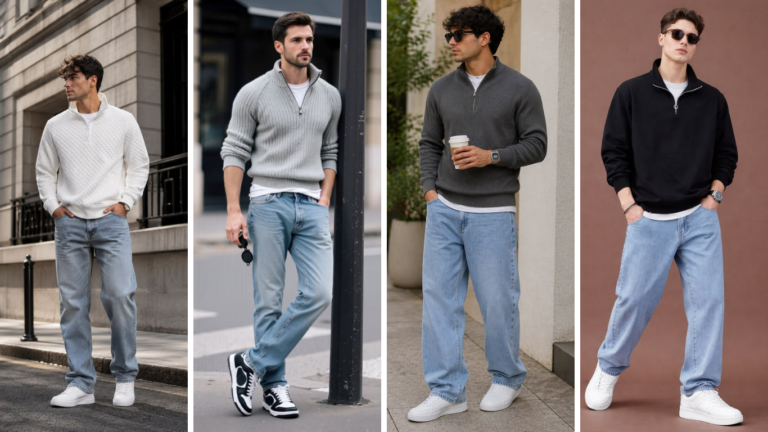
How to Dress Well on a Budget: 15 Affordable Style Hacks
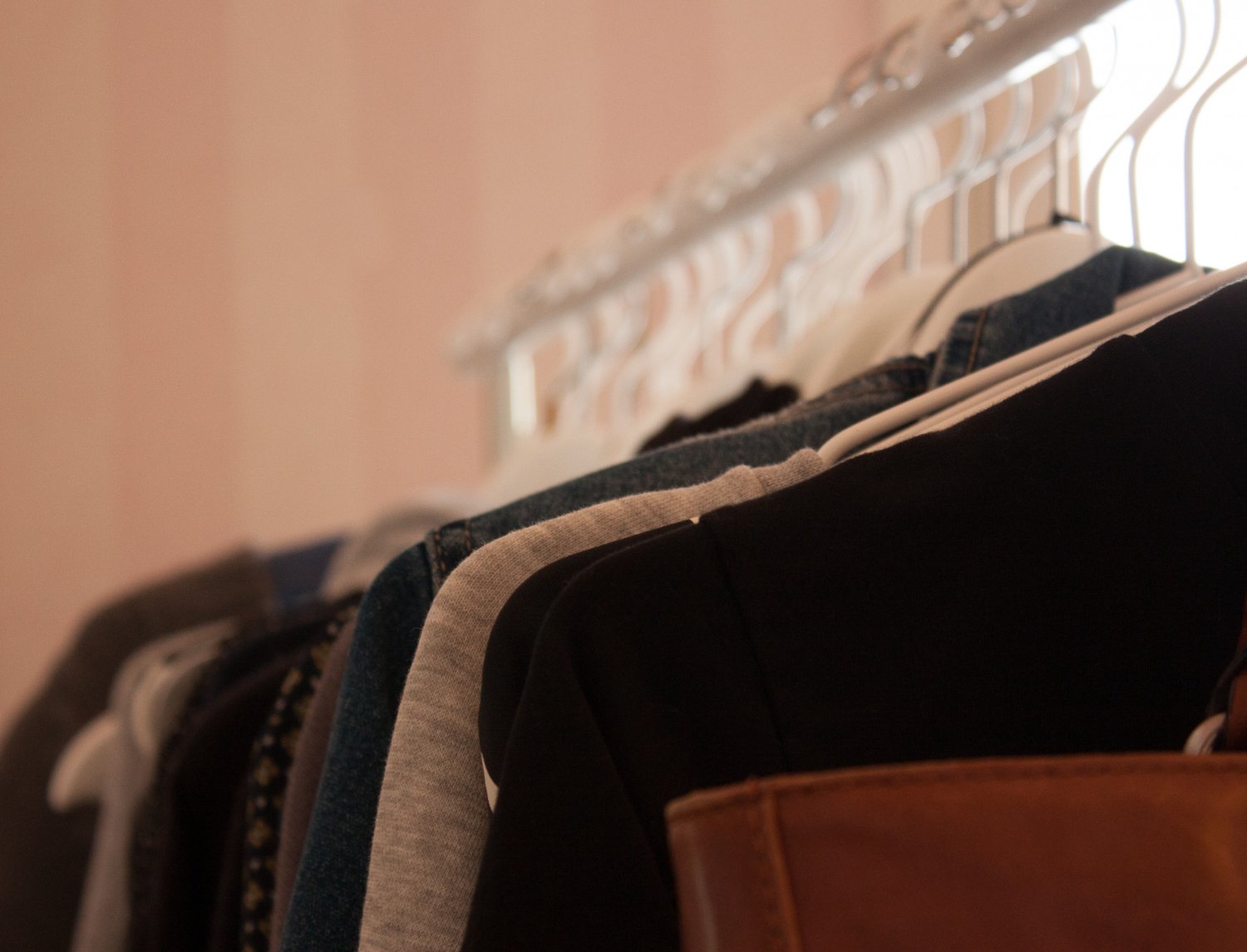
Dressing well on a budget comes down to prioritizing fit and fabric over brand names, buying fewer but smarter pieces, and using tailoring and secondhand shopping as your biggest style multipliers.
None of the fifteen hacks below require a bigger paycheck — they require spending the money you already have more strategically.
1. Get Everything Tailored — It’s the Cheapest Upgrade Available
A $10-20 tailoring adjustment does more for how an outfit looks than almost any new purchase, at a fraction of the cost. Hemming trousers, tapering a waist, or shortening sleeves takes an off-the-rack piece that fits “okay” and turns it into something that looks custom-made.
Most men skip this step entirely, which is exactly why it’s such an underrated budget hack — the upgrade is available to everyone, and almost nobody uses it.
Find a local tailor and get a few of your existing pieces adjusted before buying anything new. You’ll likely realize half your “outdated” wardrobe just needed a better fit all along, saving you money on replacements you didn’t actually need.
2. Shop Secondhand for Outerwear and Wool Pieces
Thrift stores, consignment shops, and resale apps are genuinely one of the best-kept secrets in budget menswear, especially for wool coats, blazers, and knitwear.
Older pieces from mid-range and even higher-end brands were often made with better fabric than what’s sold new today at a comparable price, and outerwear in particular holds up well secondhand since it’s worn less frequently than everyday basics.
Focus your secondhand search specifically on categories where fabric quality matters most — coats, blazers, sweaters — rather than trying to find everything secondhand. You’ll get the biggest quality jump for the least searching effort.
3. Build a Tight, Repeatable Color Palette
A wardrobe built around 3-4 neutral colors (navy, gray, white, and one earth tone) means every piece you own mixes with everything else, which stretches a small budget much further than a wardrobe full of unrelated colors ever could.
This is a zero-cost hack — it’s a shopping discipline, not a purchase — but it’s one of the highest-leverage changes on this entire list.
Before buying anything new, ask whether it works with at least three things you already own. If it doesn’t, skip it, regardless of how good it looks on its own.
4. Prioritize Shoes and Outerwear Over Everything Else
If your budget only stretches to a couple of quality purchases, put them toward shoes and outerwear first.
These two categories are the most visible from a distance and the fastest to look cheap in low-quality materials — a great pair of boots or a solid coat elevates a simple, inexpensive outfit underneath it more than any other single purchase category.
Save money on t-shirts, socks, and undershirts, where fabric quality matters less visibly, and redirect that savings toward the pieces that actually carry the most visual weight.
Read also: Men’s Streetwear Outfit Ideas: 20 Looks to Copy
5. Learn to Spot Quality Fabric Regardless of Price Tag
Price and quality aren’t as tightly linked as most men assume — plenty of affordable brands use solid cotton, wool blends, and sturdy construction, while plenty of expensive brands cut corners on fabric to protect margins.
Learning to physically assess quality — does it feel substantial, does it drape naturally, are the seams even — lets you find genuinely good pieces at low price points instead of assuming a higher price guarantees better fabric.
Rub the fabric between your fingers before buying. Thin, slightly shiny, or overly stiff material usually signals lower quality regardless of the price on the tag.
6. Buy Basics in Bulk When You Find a Good Fit
Once you find a T-shirt, sock, or undershirt that fits and holds up well, buy several at once instead of experimenting with something new every time you need a replacement.
This eliminates repeated trial-and-error purchases on items that don’t need creativity — just consistency — and it often unlocks better per-unit pricing through multi-packs or sales.
This hack works because basics are the highest-frequency purchase in most wardrobes. Solving that category once, efficiently, frees up both budget and mental energy for pieces where personal style actually matters more.
7. Use One Statement Piece to Elevate a Simple Outfit
You don’t need every piece in an outfit to be expensive-looking — you need one. A single well-chosen jacket, a good watch, or a quality pair of shoes paired with otherwise simple, inexpensive basics reads as intentional and put-together, without requiring every individual item to be high-end.
This is how a lot of stylish men on a real budget actually operate: one or two genuinely good investment pieces, worn repeatedly across dozens of simple outfit combinations, rather than an entire wardrobe of mid-tier items.
8. Take Care of What You Already Own
Proper garment care extends the life of clothing dramatically, which is effectively the same as saving money on replacements. Wash sweaters cold and lay them flat to dry instead of tossing them in a hot dryer, condition leather shoes and boots periodically, and store knitwear folded rather than hung to prevent stretching at the shoulders.
A $50 sweater that lasts five years through proper care outperforms a $50 sweater replaced every year because it wasn’t maintained — same spend, dramatically different value over time.
9. Shop End-of-Season Sales for Timeless Pieces
Retailers discount heavily at the end of each season, and if you’re buying classic, non-trend pieces — a wool coat, a navy blazer, a pair of leather boots — the discount has no real downside, since these items aren’t going out of style next season anyway. Avoid this strategy for trend-driven pieces, since a heavily discounted trend item is still a trend item that may feel dated by the time you actually wear it.
Make a list of the timeless pieces you’re missing and check end-of-season sales specifically for those categories, rather than browsing sales without a plan and getting pulled into impulse buys.
10. Master a Few Reliable Outfit Formulas
Constantly buying new pieces to create “new” outfits is expensive and unnecessary. Instead, build three or four go-to combinations from pieces you already own — a smart-casual formula, a weekend formula, a slightly dressed-up formula — and rotate through them with small variations. This reduces the perceived need for new purchases, since you already have reliable, working outfits for every situation you regularly encounter.
Most expensive-looking wardrobes aren’t actually large — they’re just well-organized around a small number of combinations that consistently work.
11. Rent or Borrow for One-Off Formal Occasions
If you need a tuxedo or a specific formal look for a single wedding or event, renting is almost always the smarter budget move over buying something you’ll wear once or twice a decade. Suit rental services have improved significantly, offering better fit and fabric options than they used to, and the money saved can go toward pieces you’ll actually wear regularly instead.
Reserve buying for pieces that fit into your everyday rotation, and reserve renting or borrowing for true one-off formal needs.
12. Learn Basic Repairs Yourself
A missing button, a small hem coming loose, or a minor seam repair are all quick fixes that don’t require a tailor if you’re willing to learn basic hand-sewing. A $5 sewing kit and a few YouTube tutorials can save you from replacing perfectly good clothing over minor, easily fixable damage.
This isn’t about becoming a tailor yourself — it’s about not letting small, avoidable issues shorten the lifespan of pieces that otherwise still have years of wear left in them.
13. Avoid Trend Purchases Entirely on a Tight Budget
Trend pieces have a short shelf life by design, which makes them one of the worst budget-per-wear purchases available. On a limited budget, skip whatever’s currently trending and put that money toward timeless categories instead — a good pair of jeans, a quality knit sweater, a classic jacket. These pieces stay relevant for years instead of months, which dramatically improves their actual cost-per-wear over time.
If a specific trend genuinely excites you, look for the cheapest reasonable version of it rather than investing seriously in something likely to feel dated within a year.
14. Cross-Shop Outlet and Last-Season Sections Strategically
Outlet stores and last-season clearance sections often carry genuinely well-made pieces from higher-end brands at a fraction of the original price, specifically because they’re a season or a color option behind current runway trends — which, for classic menswear staples, usually doesn’t matter at all. A navy blazer or a pair of leather boots from last season looks identical to this season’s version in every way that matters.
Focus outlet shopping specifically on timeless categories where “last season” is functionally invisible, and skip it for anything trend-dependent where being a season behind is more noticeable.
15. Get Comfortable Saying No to Impulse Purchases
The single biggest threat to a stylish wardrobe on a budget isn’t lack of money — it’s impulse spending on pieces that don’t fit your color palette, don’t match your existing outfit formulas, and don’t get worn more than a handful of times.
Before buying anything, ask whether it fits your established neutral palette, whether you can name three things you already own that it pairs with, and whether you’d still want it in six months.
This single habit protects every other hack on this list, since even the smartest budget strategy gets undermined by regular impulse buys that don’t fit the overall system you’re building.
How to Build a Budget-Friendly Capsule Wardrobe From Scratch
If you’re starting closer to zero than to a full closet, sequencing your purchases matters as much as the individual hacks above. Rather than buying randomly and hoping it comes together, build outward from a small, deliberate core.
Start with two pairs of trousers in your chosen neutral palette — one casual (dark jeans or chinos), one slightly dressier (tailored trousers or dark chinos). Add three to four tops that all pair with both pairs of trousers: a couple of collared shirts, a plain T-shirt, and one knit sweater.
Layer in one jacket that works over everything — a wool blazer or a versatile bomber, depending on your lifestyle — and one pair of quality shoes that pairs with the whole rotation, like a clean leather boot or minimal sneaker.
That’s roughly ten pieces, and because everything was chosen specifically to interconnect, it produces dozens of distinct outfit combinations rather than ten isolated looks. Expand from this core slowly, always checking new purchases against the existing pieces before buying, rather than building several unrelated mini-wardrobes at once.
This sequencing is exactly what separates men who look consistently put-together on a modest budget from men who spend the same amount of money on a closet that never quite comes together.
Read also: Minimalist Wardrobe for Men: Dress Better With Less
Where Most of Your Budget Should Actually Go, Realistically
If you had to split a limited clothing budget by percentage, a rough but genuinely useful guide looks like this: roughly 30% toward shoes and outerwear combined, since these categories carry the most visual weight and the most risk when done cheaply; 25% toward a small number of quality knitwear and layering pieces, since fabric quality shows clearly here; 20% toward trousers, since fit matters enormously in this category and cheap trousers rarely fit well without alteration; 15% toward shirts and tops, where quality still matters but the margin for a lower-cost option is more forgiving; and the remaining 10% held back specifically for tailoring and repairs, since that budget line does more per dollar than almost any new purchase.
This isn’t a rigid formula — your specific climate, job, and lifestyle will shift the exact percentages — but the underlying principle holds regardless of your numbers: outerwear, shoes, and tailoring deserve disproportionate priority relative to how most men naturally allocate a clothing budget, which tends to overspend on shirts and basics while underinvesting in the categories that actually carry a look.
Budget Style: Do This / Not That
| Do This | Not That |
|---|---|
| Get key pieces tailored for a better fit | Assume off-the-rack fit is good enough |
| Shop secondhand for coats and knitwear | Buy everything brand new at full price |
| Invest more in shoes and outerwear | Spread your budget evenly across every category |
| Build a tight, repeatable color palette | Buy pieces in random, unrelated colors |
| Care for and repair what you already own | Replace items at the first sign of wear |
| Save for timeless pieces, skip trend purchases | Chase every microtrend on a tight budget |
Common Mistakes Men Make Dressing Well on a Budget
- Spreading money too thin across too many categories. A little bit spent everywhere often produces a mediocre wardrobe, while concentrating budget on shoes and outerwear produces a more visibly put-together look.
- Skipping tailoring because it feels like an “extra” cost. Tailoring is one of the highest-return investments available and shouldn’t be treated as optional, even on a tight budget.
- Avoiding secondhand shopping out of stigma. Some of the best fabric quality available at low prices exists in secondhand outerwear and knitwear — skipping this category limits your options unnecessarily.
- Buying trend pieces because they’re cheap. A low price on a trend item doesn’t offset the fact that it’ll likely feel dated within a year, making it a worse long-term value than a slightly pricier, timeless alternative.
- Neglecting garment care. Poor washing and storage habits shorten the lifespan of clothing regardless of what it cost originally, effectively wasting money that was otherwise well spent.
- Making impulse purchases that don’t fit the existing wardrobe system. Even a well-planned budget wardrobe can get derailed by regular off-plan purchases that don’t integrate with your established colors and formulas.
FAQ
Can you actually dress well without spending a lot of money? Yes. Dressing well depends far more on fit, color coordination, and fabric quality than on brand names or overall spend. A well-fitted, thoughtfully coordinated budget wardrobe will always outperform an expensive but poorly planned one.
What should I prioritize spending on if my budget is really tight? Tailoring and shoes. A cheap outfit with properly fitted pieces and a decent pair of shoes will look far more put-together than an expensive outfit with poor fit or worn-out footwear.
Is secondhand clothing actually a good option for building a stylish wardrobe? Absolutely, particularly for outerwear, wool blazers, and knitwear, where older pieces are often better made than comparably priced new items. It takes a bit more searching, but the quality-to-price ratio is usually significantly better than buying new at the same budget level.
How often should I be buying new clothes on a budget? Less often than you probably think. A well-built, tightly coordinated wardrobe of quality basics needs far less frequent replenishing than a trend-driven wardrobe, since classic pieces stay relevant and wearable for years rather than months.
Read also: