How to Build a Skincare Routine for Oily Skin
Oily skin happens when the sebaceous glands produce more oil (sebum) than your skin needs, often leading to shine, enlarged-looking pores, and a higher tendency toward clogged pores or breakouts.
The fix isn’t to strip that oil away aggressively — that usually backfires — but to build a routine that gently balances oil production while keeping skin hydrated and protected. Here’s how to put one together, step by step.

Why Skin Gets Oily
Sebum isn’t the enemy — it’s a naturally occurring oil that helps keep skin lubricated and protected from moisture loss. Oily skin happens when the sebaceous glands, which sit just beneath the skin’s surface and are most concentrated in the T-zone (forehead, nose, and chin), produce more of this oil than skin actually needs.
A few things drive this: genetics play a large role, hormones (especially androgens like testosterone) stimulate oil production, and factors like humidity, heat, and stress can all cause oil output to spike temporarily.
Men tend to have oilier skin on average than women, largely because testosterone levels are generally higher and androgens are directly linked to sebaceous gland activity. This is part of why “oily skin” comes up so often in men’s skincare conversations — it’s less about doing something wrong and more about biology.
The tricky part is that oily skin often gets treated the wrong way. A common instinct is to wash more often or use harsher products to strip the shine away, but over-cleansing or using strong astringents can actually damage the skin’s protective barrier.

When that happens, skin sometimes responds by producing even more oil to compensate — a cycle sometimes referred to as “rebound oiliness.” That’s why an effective routine for oily skin isn’t about aggressive stripping; it’s about gentle, consistent balance: cleansing enough to manage excess oil without overdoing it, and still providing the hydration skin needs to function properly.
It’s also worth understanding that oily skin and dehydrated skin aren’t mutually exclusive. “Oily” refers to sebum (oil) production, while “dehydrated” refers to a lack of water in the skin. It’s entirely possible to have oily, dehydrated skin — which is one reason skipping moisturizer is one of the most common (and counterproductive) habits among people with oily skin.
Read also: The Ultimate Men’s Skincare Routine for Beginners
Step-by-Step Routine for Oily Skin
This routine is designed to manage shine and reduce the likelihood of clogged pores, without over-drying skin in the process. It’s split into morning, evening, and a couple of weekly add-ons.
Morning Routine
- Rinse with lukewarm water, then apply a gel or foaming cleanser. Gel and foaming cleansers tend to cut through excess oil more effectively than cream cleansers, which are usually better suited for dry skin. Massage in for about 30 seconds and rinse thoroughly.
- Apply an alcohol-free toner, if you use one. A toner isn’t essential, but a gentle, alcohol-free formula can help remove any leftover residue and prep skin for the next step. Avoid toners marketed as “deep cleaning” or high-alcohol astringents, since these can be overly drying.
- Apply a lightweight, oil-free moisturizer. This is often the step people with oily skin are tempted to skip — don’t. A gel-based or “oil-free” moisturizer hydrates without adding excess surface oil, and skipping this step can actually trigger more oil production as skin tries to compensate for the lack of moisture.
- Finish with an oil-free, non-comedogenic sunscreen (SPF 30 or higher). Sunscreen is essential regardless of skin type, but the formula matters more for oily skin — heavy, occlusive sunscreens can feel greasy and contribute to congestion. Mattifying or gel-based sunscreens are worth seeking out.
Evening Routine
- Double cleanse if you wore sunscreen or were sweating heavily during the day. Start with an oil-based cleanser or micellar water to break down sunscreen, sweat, and surface oil, then follow with your regular gel or foaming cleanser. This two-step process helps remove buildup more thoroughly than a single cleanse, without requiring harsh scrubbing.
- Apply a treatment product, if you’re using one, to clean, dry skin. This is the point in your routine to apply targeted treatments (such as those containing salicylic acid or niacinamide — more on both below), since they work best on skin that isn’t layered with other products yet.
- Follow with a lightweight, oil-free moisturizer. Even though it’s nighttime, oily skin still benefits from a non-comedogenic formula rather than a heavier, richer cream, which can feel occlusive and contribute to breakouts overnight.
- Let everything absorb for a few minutes before bed. Giving products time to fully sink in reduces the chance of transferring residue onto your pillowcase, which can also affect your skin over time.
Weekly Add-Ons
- Exfoliate 1–2 times per week. Oily skin tends to tolerate exfoliation a bit better than dry or sensitive skin, since the extra oil provides some natural buffer, but that doesn’t mean more is better. A chemical exfoliant like salicylic acid (which is oil-soluble and can get deep into pores) is generally more effective for oily skin than a physical scrub, which can sometimes cause micro-tears and irritation.
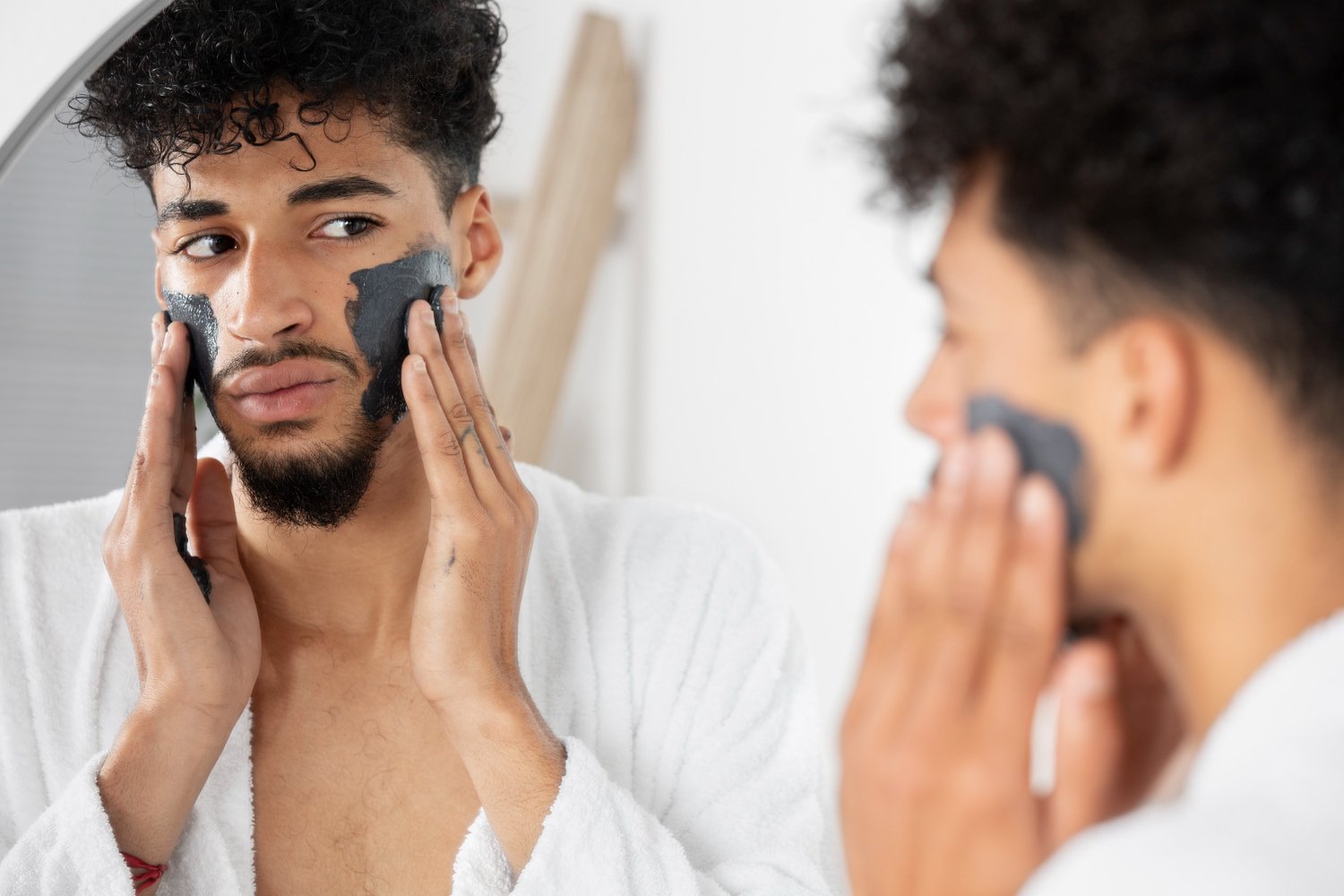
- Use a clay mask once a week. Clay masks help absorb excess surface oil and can temporarily reduce the appearance of enlarged pores. This isn’t a permanent fix, but it can be a helpful addition, especially before a day you want your skin to look extra matte.
- Blotting papers as needed throughout the day. These aren’t a treatment, but they’re a quick, product-free way to manage midday shine without disturbing makeup, sunscreen, or the rest of your routine.
What to Look for in Products for Oily Skin
Not all “oily skin” products are created equal — here’s what actually matters on the label.
- “Oil-free” and “non-comedogenic”: These terms indicate a product is formulated not to add excess oil or clog pores, which is especially important for moisturizers and sunscreens.
- Salicylic acid (BHA): This is an oil-soluble exfoliating acid that can penetrate into pores to help clear out built-up oil and dead skin cells, making it a common ingredient in cleansers and treatments for oily, acne-prone skin.
- Niacinamide: A widely used ingredient that’s associated with helping regulate oil production and supporting the skin barrier, often included in serums and moisturizers for oily or combination skin.
- Lightweight, gel-based formulas: Gel textures tend to hydrate without leaving a heavy or greasy finish, which matters for both moisturizers and sunscreens on oily skin.
- Clay or charcoal (in masks, not daily cleansers): These ingredients help absorb excess oil, but they’re generally better used occasionally rather than daily, since overuse can be drying.
- Avoid heavy oils and butters as primary ingredients in daily products. Ingredients like coconut oil or cocoa butter can feel rich and moisturizing but are more likely to sit on the surface of oily skin and contribute to congestion.
- Alcohol-free formulas. While alcohol-based products can feel refreshing and mattifying in the moment, they often strip the skin’s natural barrier over time, which can lead to more oil production as a compensatory response.
Common Mistakes That Make Oily Skin Worse
A few habits are especially common — and especially counterproductive — for people trying to manage oily skin:
- Over-washing. Cleansing more than twice a day can strip the skin’s natural oils excessively, triggering a rebound effect where skin produces even more oil to compensate.
- Skipping moisturizer. As covered above, oily skin still needs hydration. Skipping this step doesn’t reduce oil — it often increases it.
- Using harsh, high-alcohol toners or astringents. These provide a temporary matte feeling but tend to damage the skin barrier with regular use.
- Picking at or squeezing blemishes. This is true for any skin type, but oily, acne-prone skin is especially prone to scarring and further irritation from picking.
- Using heavy, comedogenic products “because my skin needs extra moisture.” Oily skin usually needs hydration, not heavy oils — the two aren’t the same thing, and choosing the wrong texture can contribute to clogged pores.
- Switching products constantly in search of a quick fix. Oil regulation takes time. Frequently switching products makes it hard to know what’s actually working and can also irritate skin in the process.
When to See a Dermatologist
A consistent, well-matched routine handles most day-to-day oiliness, but it’s worth seeing a dermatologist if you notice any of the following:
- Persistent or worsening acne that doesn’t improve after a few months of a consistent, appropriate routine
- Oily skin accompanied by painful, cystic, or deep breakouts, which often benefit from a more targeted treatment plan
- Skin that appears oily but also feels tight, irritated, or reactive, which could indicate an underlying barrier issue rather than simple oil overproduction
- Sudden changes in oil production, especially alongside other symptoms, which could be worth discussing with a professional
- Scarring or dark marks left behind from previous breakouts that you’d like guidance on addressing
A dermatologist can also offer prescription-strength options or professional treatments when over-the-counter products aren’t providing enough improvement, and can help rule out other conditions (like certain forms of dermatitis) that can sometimes be mistaken for straightforward oily skin.
FAQ
Does oily skin need less moisturizer than other skin types? Not necessarily less — it typically needs a different type. Lightweight, oil-free, or gel-based moisturizers provide hydration without adding the heavy oils that can contribute to congestion, so the product texture matters more than the amount.
Will washing my face more often reduce oiliness? Usually not — and it can make things worse. Over-cleansing can strip the skin’s natural barrier, which sometimes triggers the skin to produce even more oil to compensate. Cleansing twice a day (morning and night) is generally sufficient for most people.
Can diet affect oily skin? Some research suggests a connection between high-glycemic diets and increased oil production or acne in some people, though the relationship varies from person to person and isn’t fully understood. A skincare routine is still the most direct way to manage surface oil day to day.
Is it normal for oily skin to also feel dry or tight sometimes? Yes — this usually points to dehydration (a lack of water in the skin) rather than a lack of oil. It’s possible to have both oily and dehydrated skin at the same time, which is why hydrating products are still important even for oily skin types.
How long does it take to notice improvement in an oily skin routine? Most people notice some reduction in midday shine within a few weeks of consistent use, but changes in oil production and pore appearance can take longer — often 6–8 weeks — since skin needs time to adjust and rebalance.
Do I need a separate nighttime moisturizer if I already use one in the morning? Not necessarily. A single lightweight, oil-free moisturizer used both morning and night works well for many people with oily skin. Some people eventually prefer a slightly different formula for daytime (especially under sunscreen) versus nighttime, but it’s not required to get started.
Read also: